Fernbirds return to Parihaka
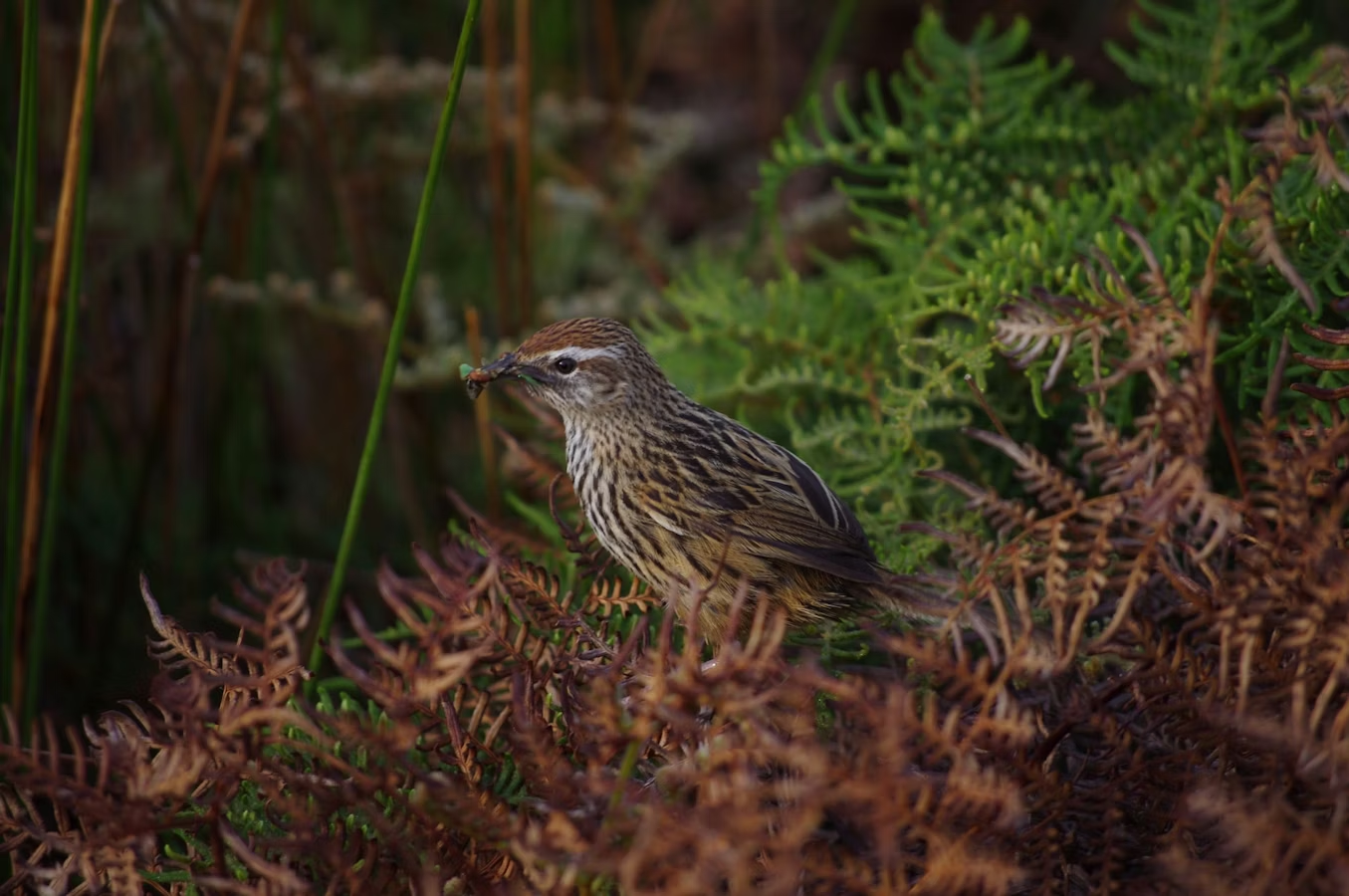
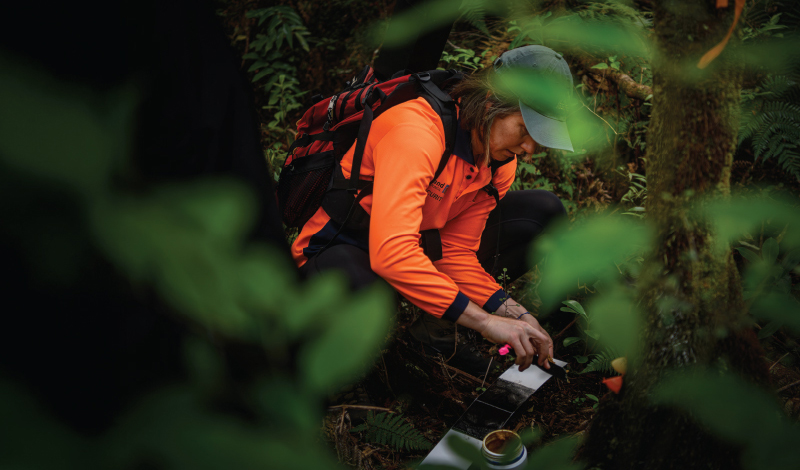
Late in 2024, while working in the Parihaka Scenic Reserve, Tiakina Whangārei Coordinator Jo Skyrme captured something unexpected on video: a pair of fernbirds (mātātā).
It was the first recorded sighting of the species in the reserve since the Parihaka Community Landcare Group began pest control operations in 2016.
Since then, fernbirds have been recorded in both the 2025 and 2026 Tiakina Whangārei annual 5-Minute Bird Count surveys. Volunteers, contractors and community members are also reporting regular encounters with these elusive birds in suitable habitat across the reserve, suggesting they are re-establishing themselves in the area.
What the return of fernbirds tells us
Their return is about more than adding another species to a survey list. Fernbirds are associated with healthy shrubland and wetland habitats, relying on abundant insect life and diverse vegetation to thrive. They are also poor fliers, preferring to scramble through dense vegetation rather than take to the air. This makes them particularly vulnerable to introduced predators, especially ship rats.
As a result, their increasing presence suggests that years of community pest control are helping create conditions that better support native wildlife.
Other encouraging observations
And fernbirds are not the only encouraging sign.
In May this year, one of our local twitchers – an enthusiastic birdwatcher who enjoys finding and recording unusual species – reported seeing a juvenile banded rail (moho pererū) in Mair Park. A lone pāteke (brown teal) has also been spotted recently, socialising with mallards in the same area. Both pāteke and banded rail are ground-nesting species that are highly vulnerable to predators such as rats, mustelids, cats and dogs, making these sightings an encouraging sign for the area.
Signs of a recovering ecosystem
Together, the fernbird, banded rail, and pāteke observations provide encouraging signs that native species are responding to improved habitat quality through ongoing predator control efforts across the wider Parihaka area.
The value of community action
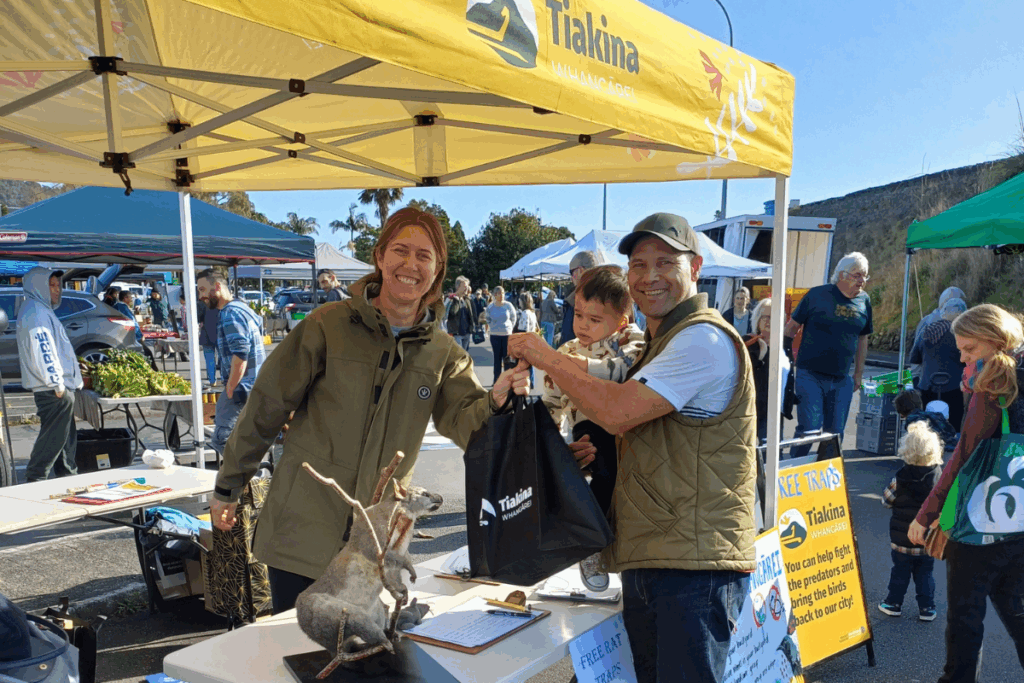
Every rat trapped, every possum removed and every volunteer contribution helps create safer habitat for species like the fernbird. Their appearance in and around Parihaka Scenic Reserve is evidence that long-term, community-driven pest control can help native wildlife recover and return to places where they have been absent for many years.
An exciting prospect!
Related Articles
Community Groups • Whangārei
Giving back to the forest that gave back