From track walker to trapping champion!
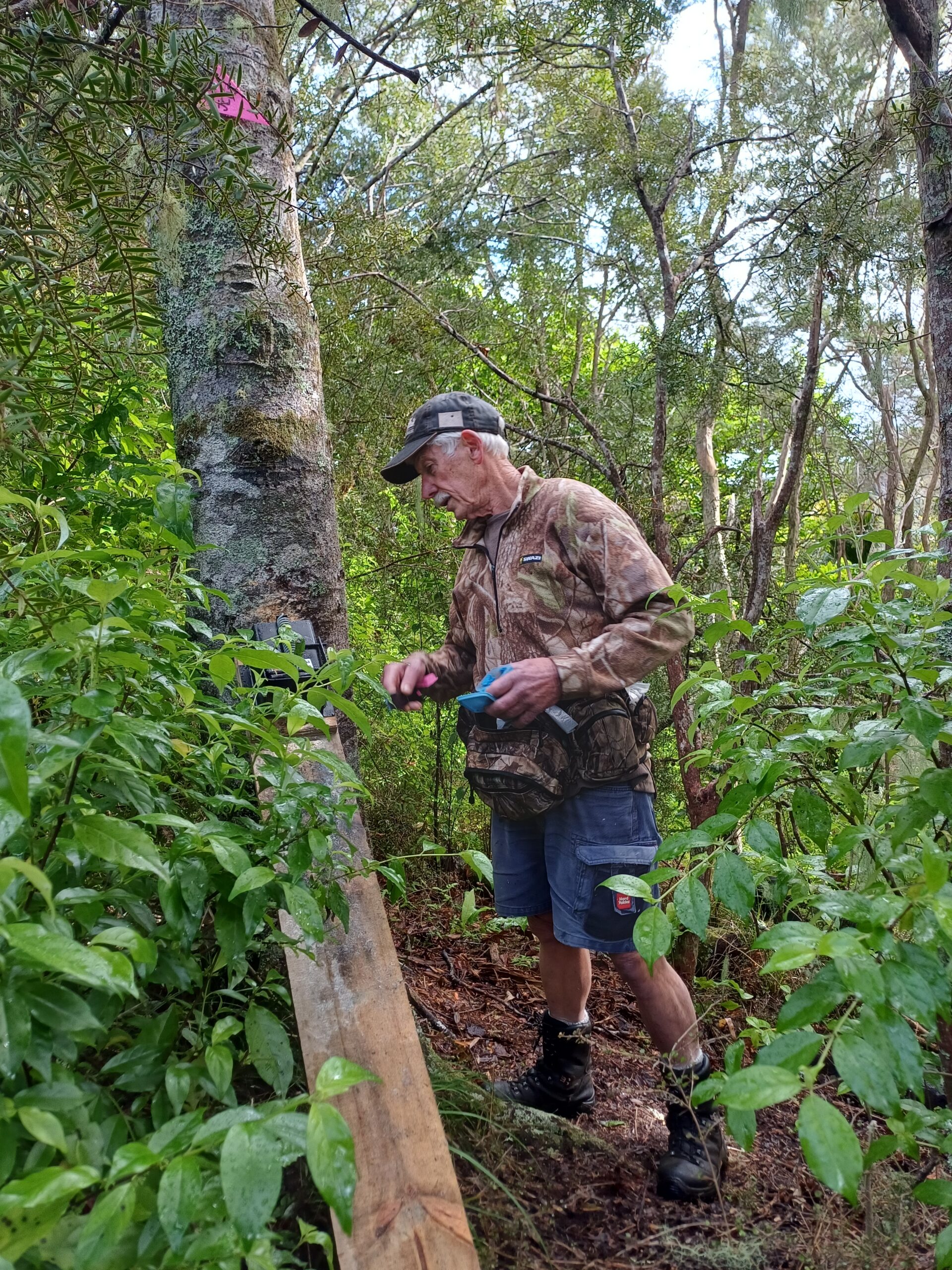
Since linking up with Tiakina Whangārei in June 2026, Onerahi volunteer Ian Rhodes has removed 358 introduced predators from the local environment, including 269 possums, 86 rats, and three mustelids. Not bad for someone who originally got involved simply by walking the Waikaraka Track.
What started as a daily walk along the Waikaraka Track in Onerahi has grown into one of the most successful recent volunteer trapping efforts in the Tiakina Whangārei network.
A fresh start in Onerahi
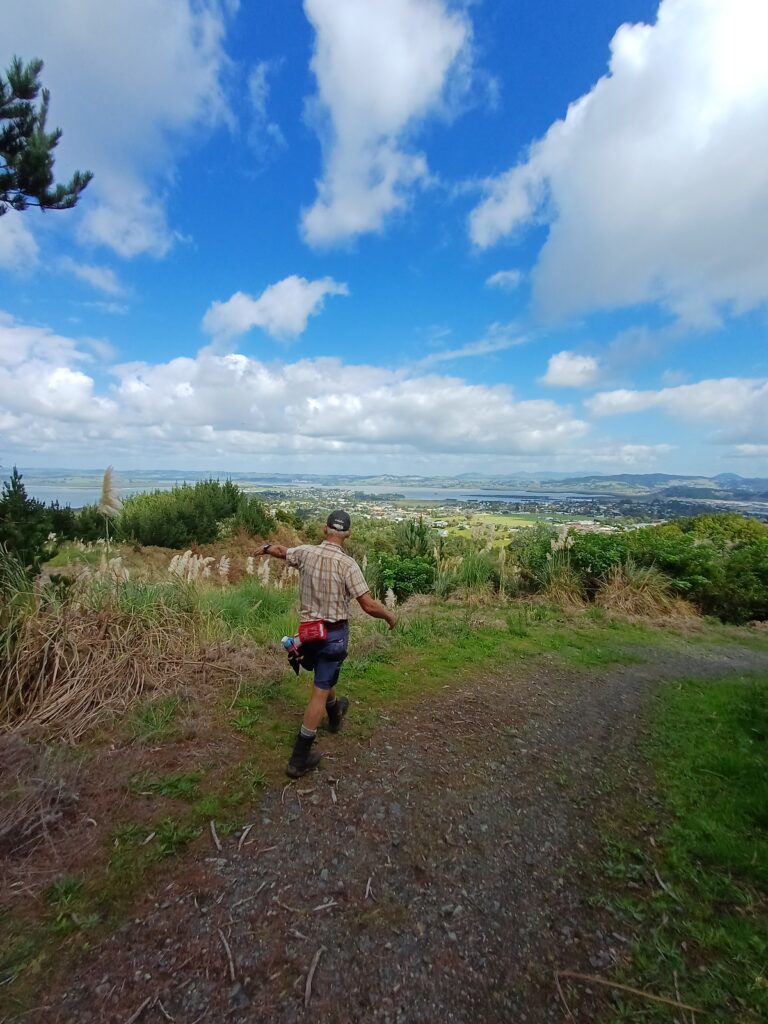
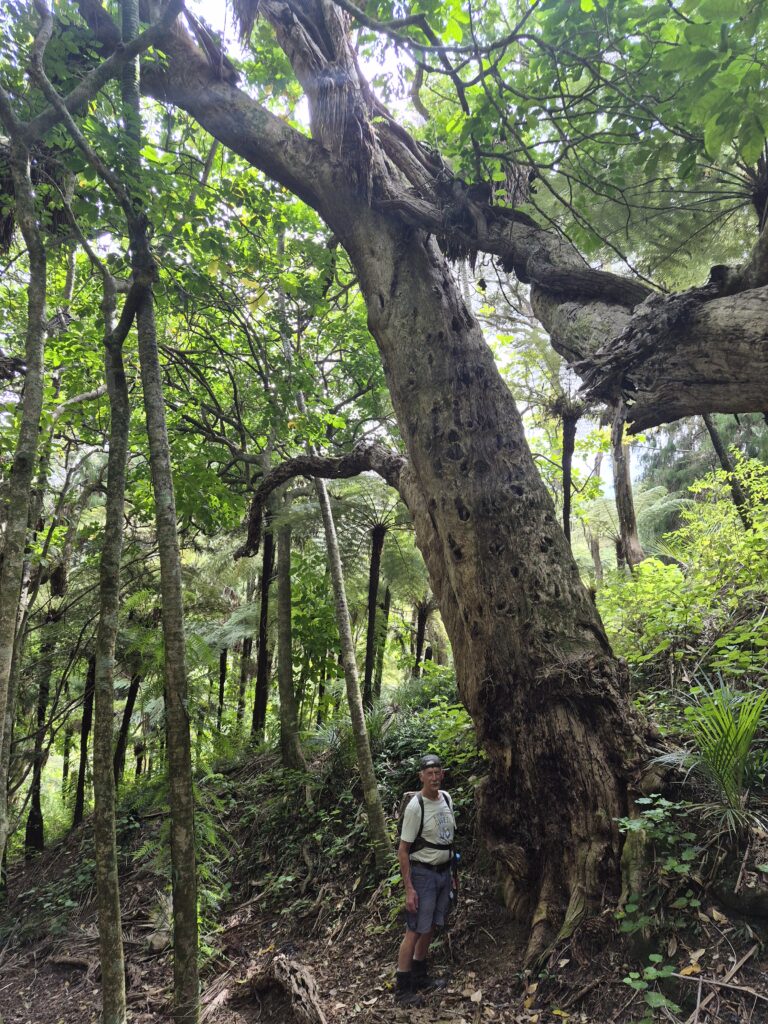
Ian and Raewyn Rhodes moved to Onerahi in February 2025, relocating from Motuoapa, south of Taupō. Following open-heart surgery, Ian was looking for a way to rebuild his strength and fitness, and soon found himself regularly walking the Waikaraka Track, located near their new home.
For Ian, it wasn’t just about the exercise.
“I’ve always loved being in the bush.”
What began as a daily walk soon became an opportunity to give something back to the environment he enjoyed spending time in.
Spotting an opportunity
While walking the track one day, Ian noticed newly installed Tiakina Whangārei predator traps and signage. He was also becoming increasingly aware of the number of possums and other pest animals he was seeing during his evening walks.
Keen to find out how he could help, Ian got in touch with Tiakina Whangārei. That conversation soon led to him becoming an “official” volunteer trapper with the Pest Free Onerahi project.
After meeting on the track, Tiakina Whangārei Project Lead Jo Skyrme showed Ian the trap locations, servicing requirements and catch-recording system. Before long, Raewyn was involved too, helping log Ian’s catches through Trap.NZ.
Going the extra mile
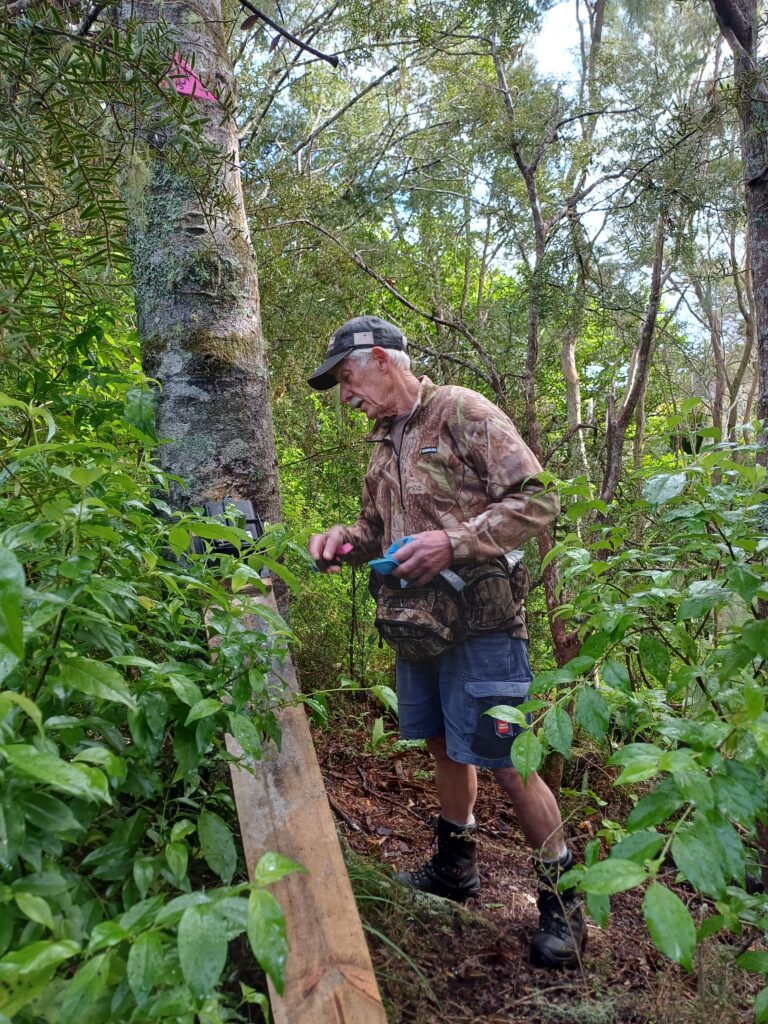
What started as helping to service the Waikaraka Track trap line soon grew into something much bigger. With support from Tiakina Whangārei, Ian approached a neighbouring farmer whose property borders the track and secured permission to establish a new trap line through a remnant block of native bush on their property. A trap line is a series of traps placed at regular intervals along a route or area, which are checked and maintained regularly by a trapper.
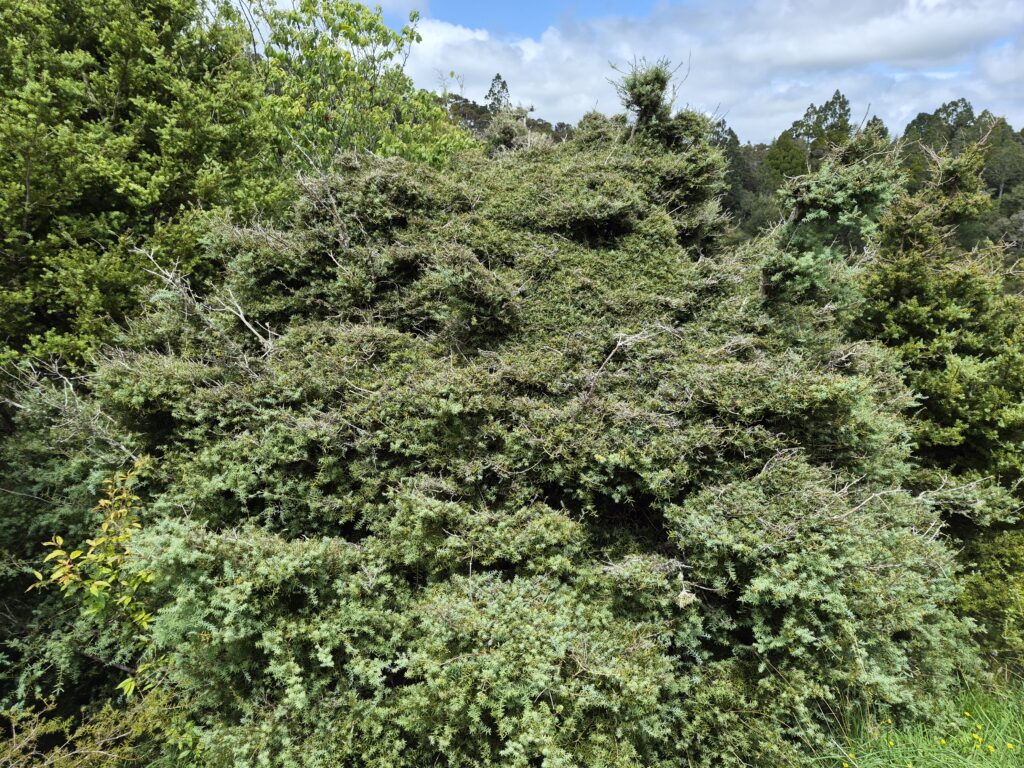
Together, Ian and Jo cut a route through the bush and installed ten possum traps. Signs of heavy possum activity were everywhere, with extensive browse damage on tōtara trees and well-worn wildlife trails.
Once the line was established, Ian took ownership of its day-to-day management, checking, re-luring and servicing both the new trap line and the original Waikaraka Track network on near daily basis.
An incredible start
The results were immediate. From just ten possum traps on the new line, Ian caught an astonishing 54 possums in his first week.
“My first thought was surprise at the numbers and that obviously the traps were necessary to cut down the possum population.”
The success highlighted just how many predators were present in the area and reinforced the value of sustained trapping. Rat traps were later added alongside the possum traps to prevent rats stripping the possum lures and to further reduce predator numbers.
As catches continued to roll in, Ian and Joanna expanded the network further, installing a third trap line in a second bush block on the property.
Today, Ian services a network of 49 possum, rat and mustelid traps.
Making a Difference
For Ian, one of the most rewarding aspects of volunteering has been knowing that his efforts are helping protect native wildlife.
“I’ve seen kiwi while walking the Waikaraka Track in the evenings, so I am stoked to be able to positively contribute to predator control by catching and recording so many animals.”
The trapping itself continues to provide plenty of motivation.
“The bush, the exercise and the ability to contribute to getting rid of unwanted predators, be they possums, rats, stoats and weasels, all of which I have managed to catch.”
The results so far
Since joining Tiakina Whangārei in June, Ian has removed:
- 269 possums
- 86 rats
- 7 mice
- 2 hedgehogs
- 1 stoat
- 2 weasels
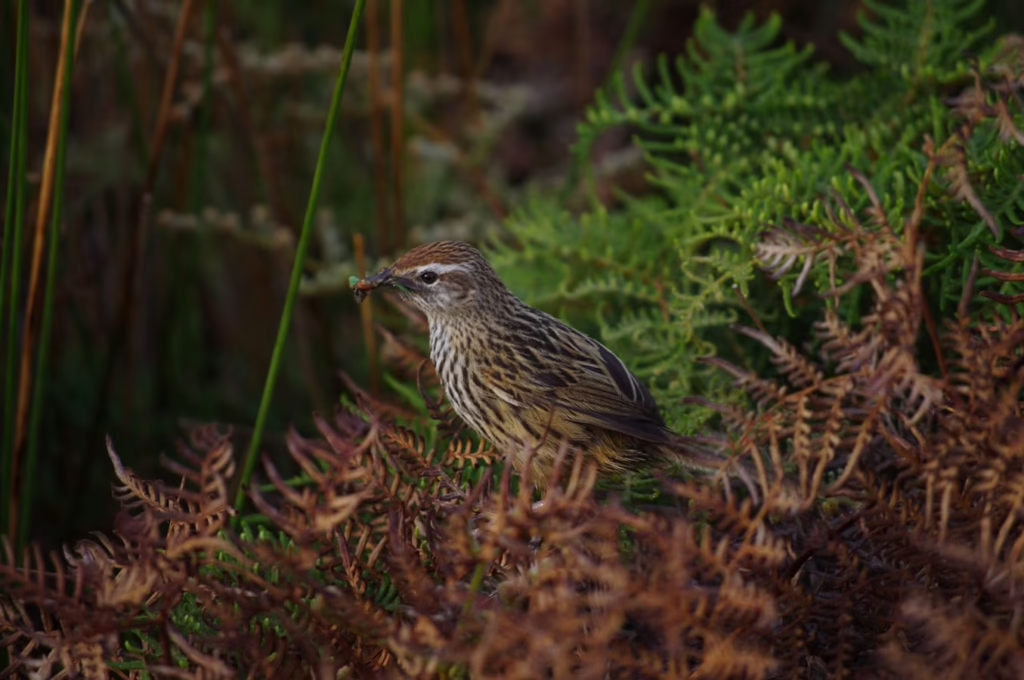
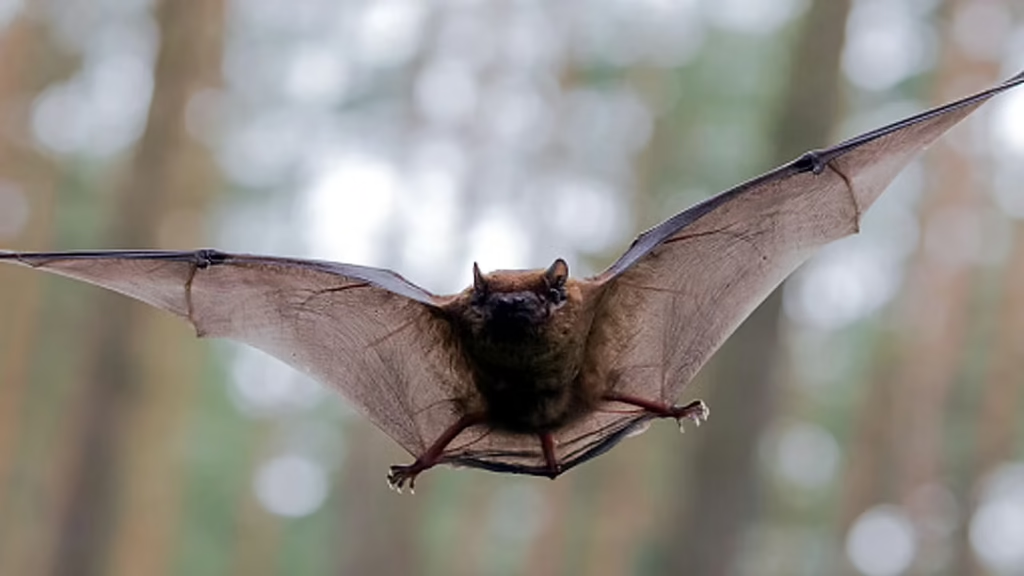
Combined with extensive pest control work being undertaken by the NRC Biosecurity Partnerships team and neighbouring landowners, these efforts are helping create a growing predator-controlled area across Onerahi. As pest numbers continue to decline, native wildlife will have a better chance to flourish, with the benefits extending beyond the bush and into backyards throughout the wider area.
Community conservation in action
Ian’s story is a great example of how community conservation often starts with something simple: spending time in a place you care about and deciding to make a difference.
What began as a daily walk to regain fitness after surgery has become a significant contribution to restoring local biodiversity. Through his willingness to get involved, work alongside neighbouring landowners and dedicate countless volunteer hours to trapping, Ian has helped extend predator control well beyond the boundaries of the original Waikaraka Track network.
Keen to get involved?
Ian’s advice for anyone considering getting involved is straightforward:
“If you enjoy our beautiful bush, like a bit of exercise, and want to help our wildlife and trees, get in touch with Joanna at Tiakina Whangārei.”
Like Ian and Raewyn, many Tiakina Whangārei volunteers start with a simple interest in nature and a willingness to lend a hand. Training, equipment and ongoing support are available, whether you’re interested in helping on public land, hosting a trap in your backyard, or supporting a community trapping project in your neighbourhood.
Every trap checked, every catch recorded, and every volunteer involved helps create a safer future for Whangārei’s native wildlife.
Related Articles
Backyard Trapping • Whangārei
Pest Free Morningside takes flight