
Get involved
From backyards to reserves, Northland’s towns and cities are full of green spaces that offer potential for supporting native wildlife back into our urban spaces — but it won’t happen without us!
Tiakina Te Taitokerau is here to empower communities to lead local conservation efforts in our urban spaces. Whether you’re trapping pests in your backyard, restoring a neighbourhood reserve, or tackling invasive plants along a city stream, we’re here to support your mahi wherever we can.
If you’ve got an idea get in touch to find out what support Tiakina Te Taitokerau can offer you!
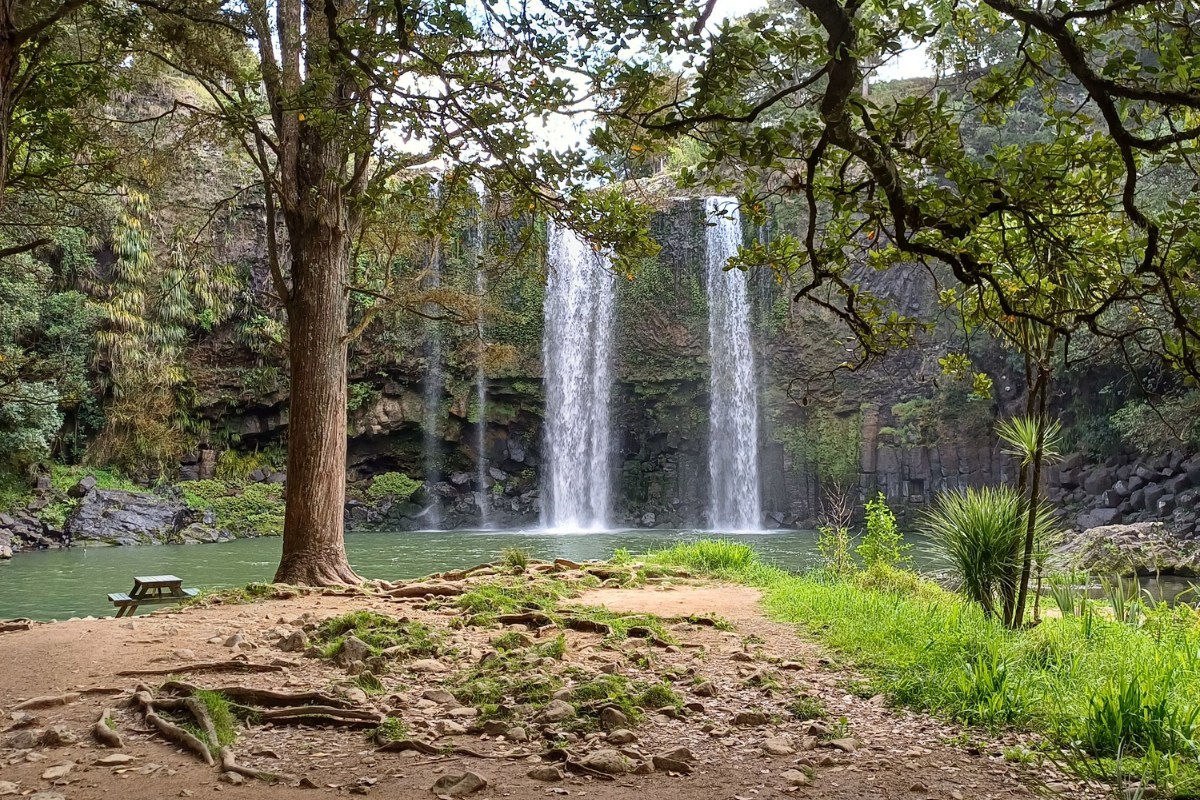
Our urban projects
Launched in 2018 with funding from the Northland Regional Council and support from the Whangārei District Council, the Tiakina Whangārei urban project is a community-led initiative with agency backing. Since its beginning, the project has empowered hundreds of local volunteers to protect and restore native biodiversity across our city.
We can support you to:
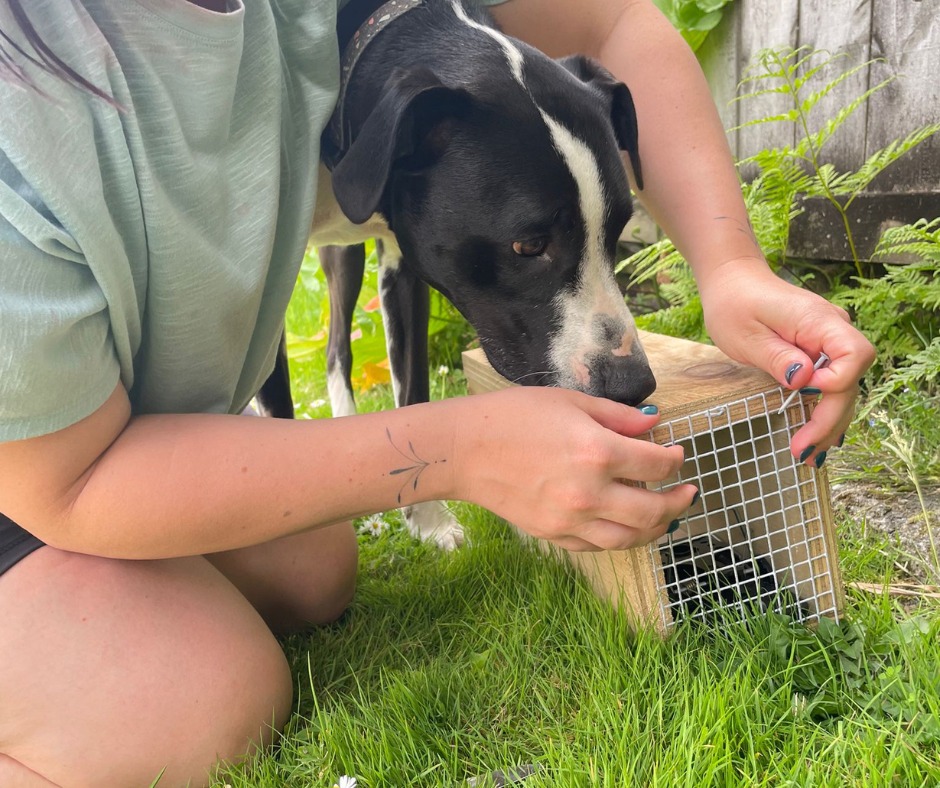
Tackle backyard pests
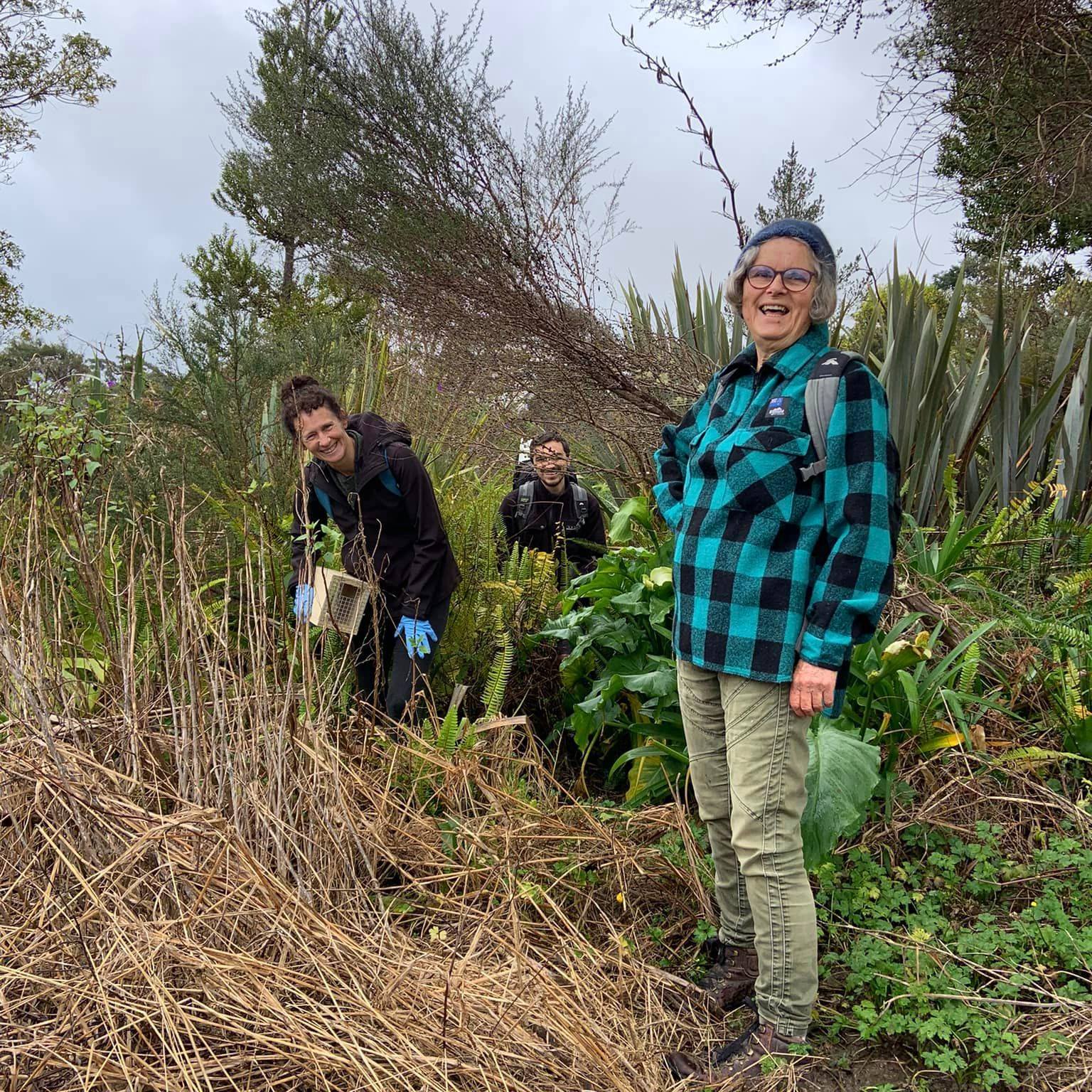
Join an existing group
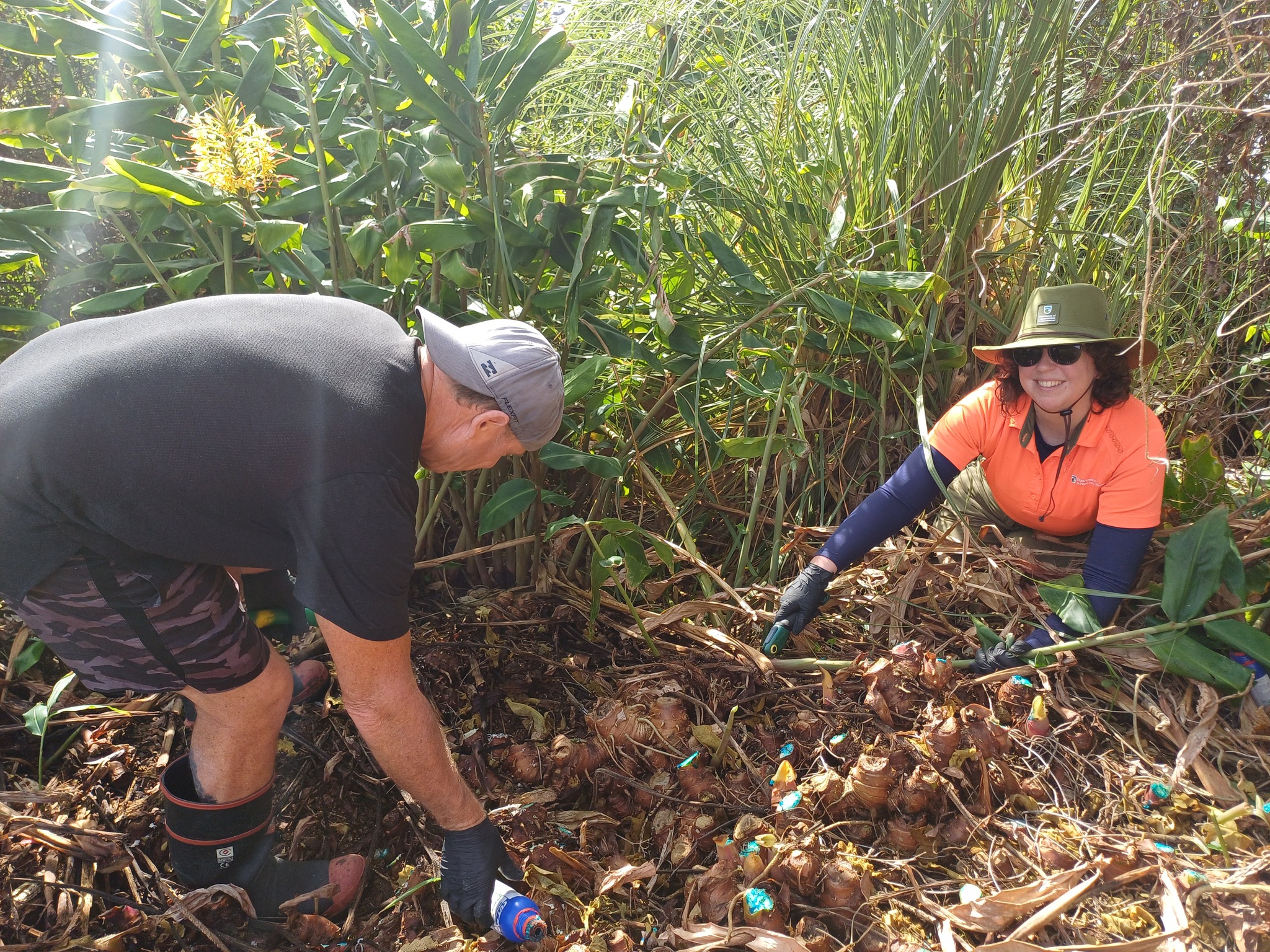
Start your own group
Latest stories
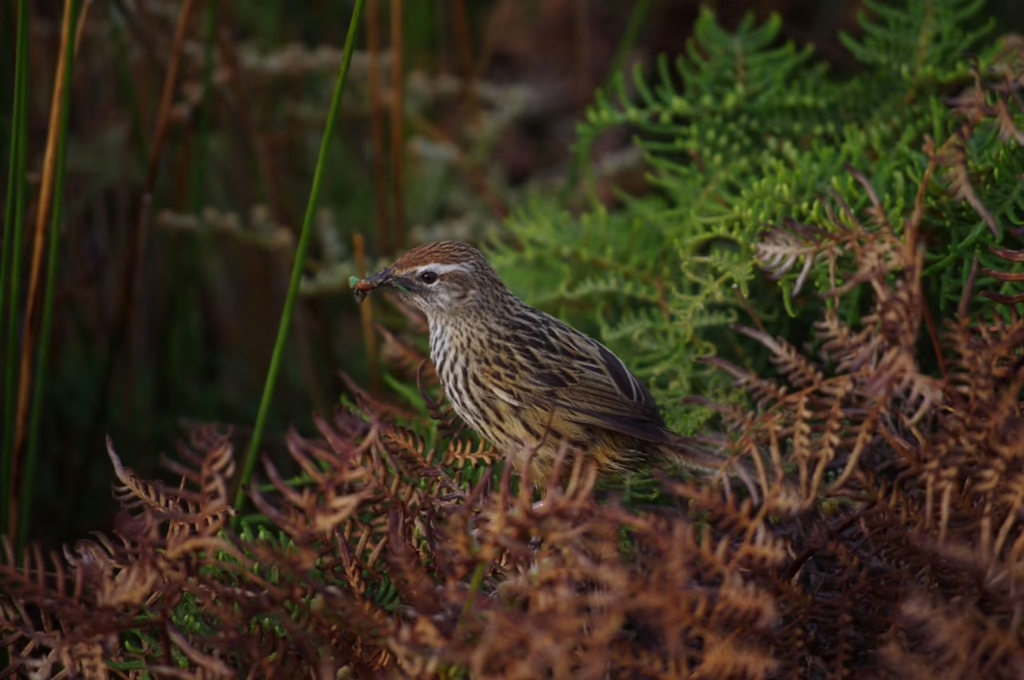
Fernbirds return to Parihaka
Late in 2024, while working in the Parihaka Scenic Reserve, Jo Skyrme captured something unexpected on video: a pair of fernbirds (mātātā).
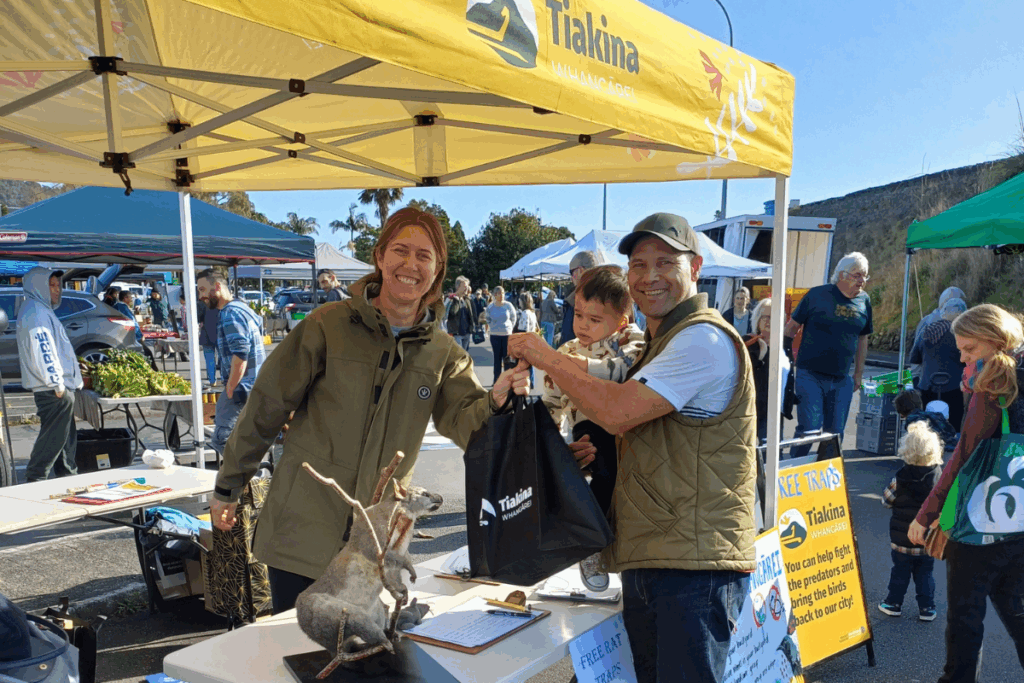
How much time does it take to make a difference?
Volunteering doesn't have to be a huge commitment - many people get involved as and when they can.
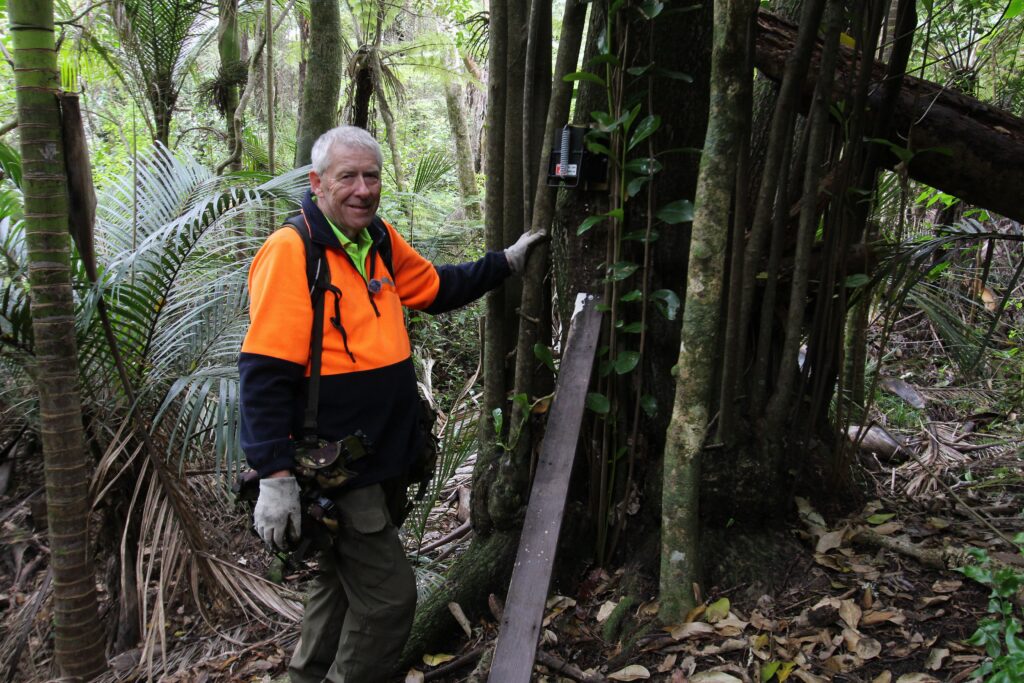
Giving back to the forest that gave back
For Steve Detlaff, volunteering is about gratitude, community, and giving back to a forest that helped him regain his health.
Latest resources
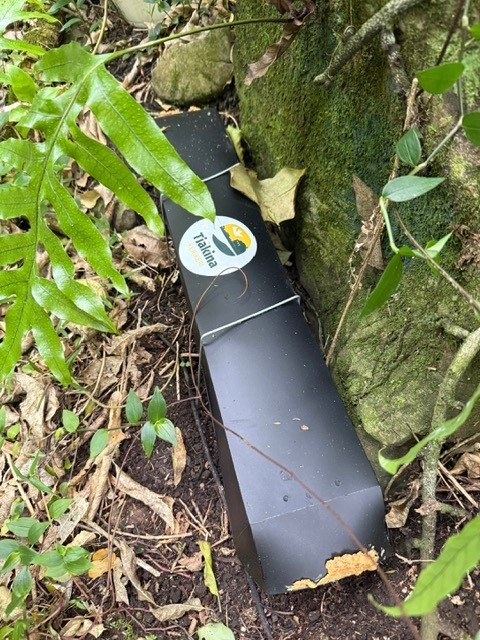
Make Your Own Tracking Tunnel
Have you ever wondered what animals are moving through your garden at night? Tracking tunnels are a simple and fun way to find out- learn how to make your own!
Removing pest plants
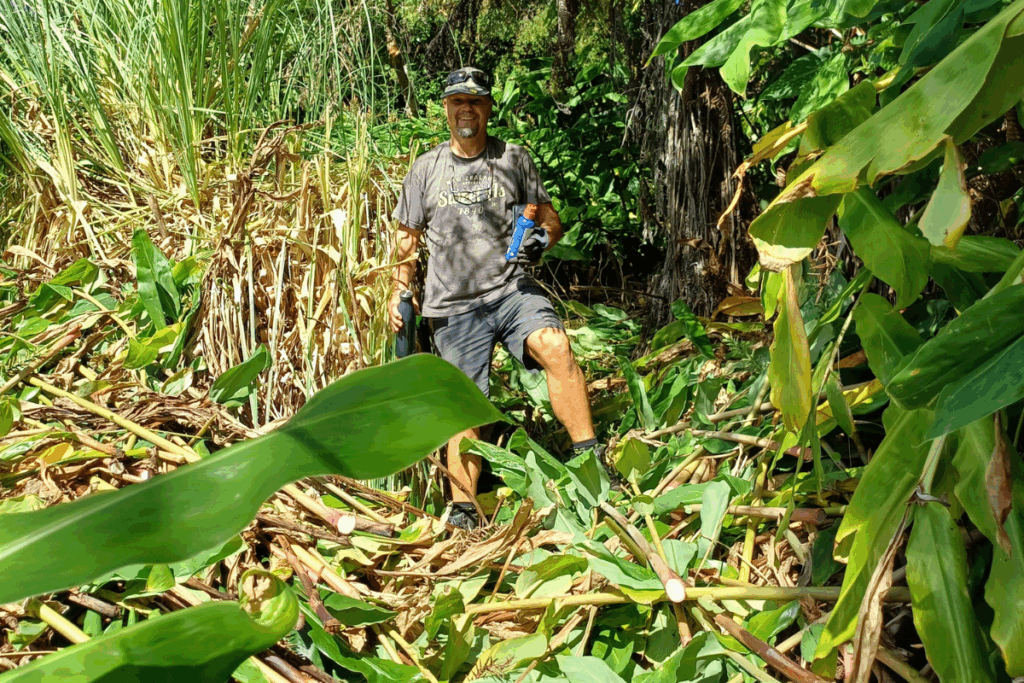
Invasive weeds are more than just garden pests—they pose a serious risk to our native plants and wildlife. That’s why Tiakina Te Taitokerau is working with urban communities to remove pest plants and restore our local environments.
Start backyard trapping
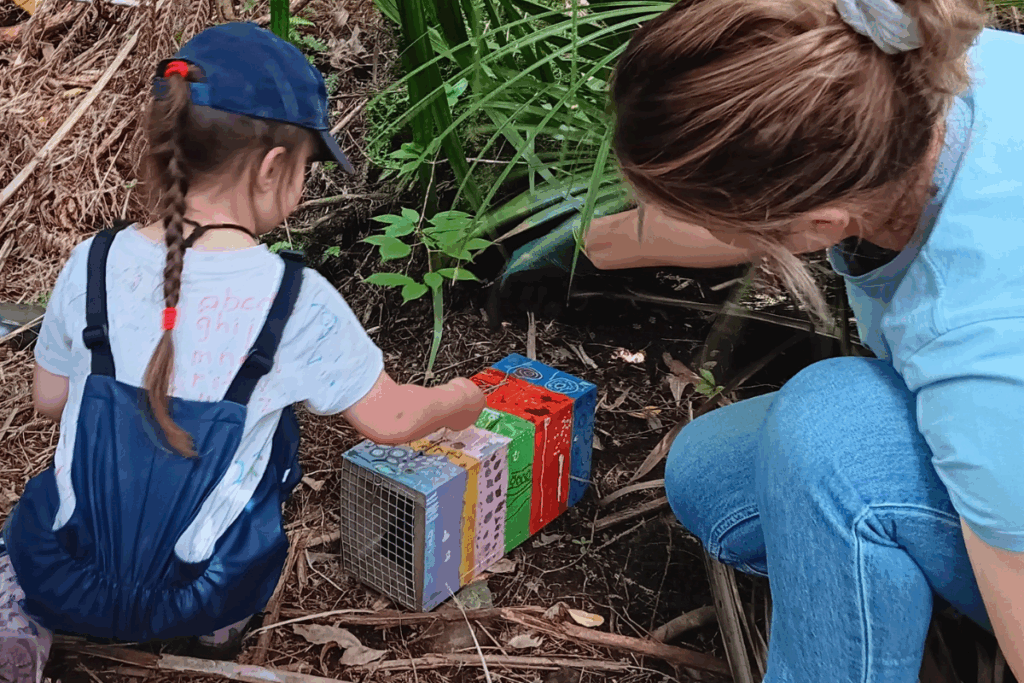
Learn how to set up your backyard rat trap, choose bait, and safely catch rodents while protecting birds and pets with a trap box.