Giving back to the forest that gave back
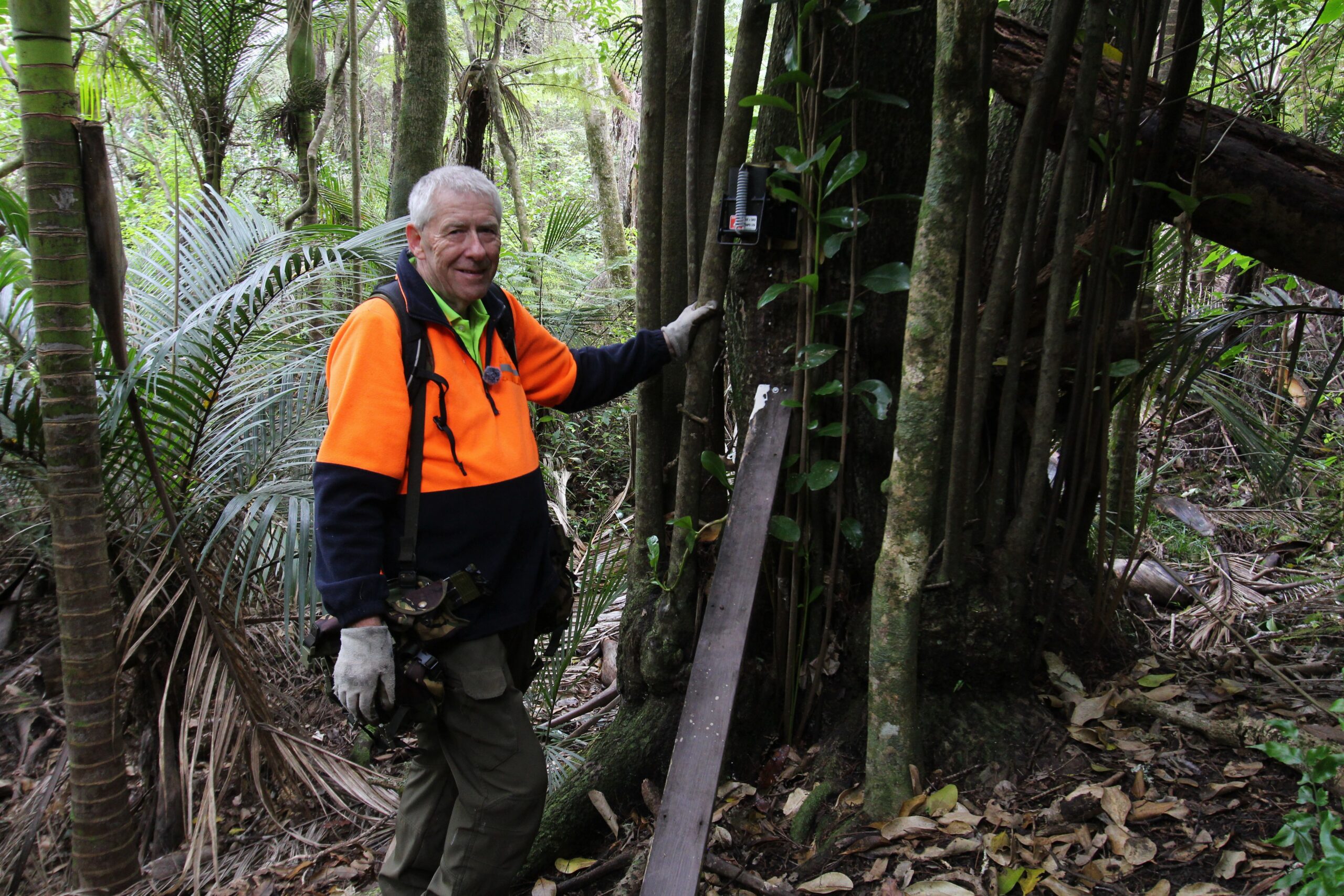
For Steve Detlaff, protecting Coronation Reserve is about much more than trapping pests. It’s about gratitude, community, and giving back to a forest that helped him regain his health.
Growing up in a small rural town on New Zealand’s South Island West Coast, Steve spent much of his childhood hunting, tramping, and fishing with his family. Those early experiences fostered a lifelong love of the bush and the native species that call it home.
Watch Steve checking his trap line in the Coronation Reserve.
“I started walking in the Coronation Reserve (Pukenui Forest) to gain fitness and get my health back after a major heart attack,” Steve says. “Then I saw a Facebook post by the Pukenui Western Hills Forest Trust looking for volunteers to help with trapping. I thought if I’m walking through the forest anyway, I might as well be doing something useful along the way.”
That decision reignited Steve’s lifelong passion for conservation and pest control.
A place worth protecting
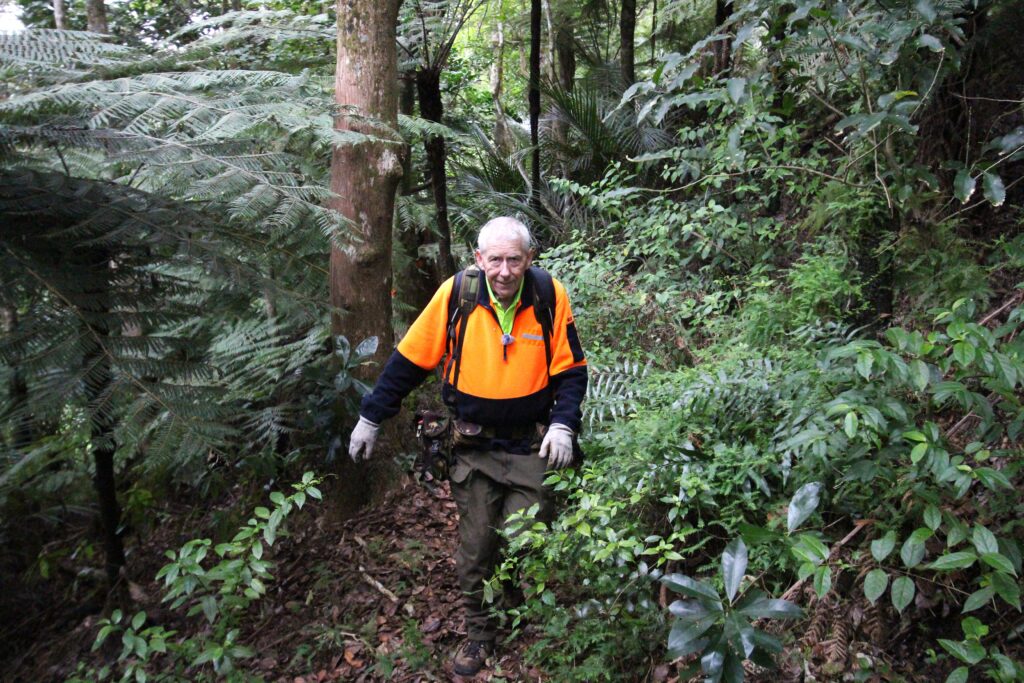
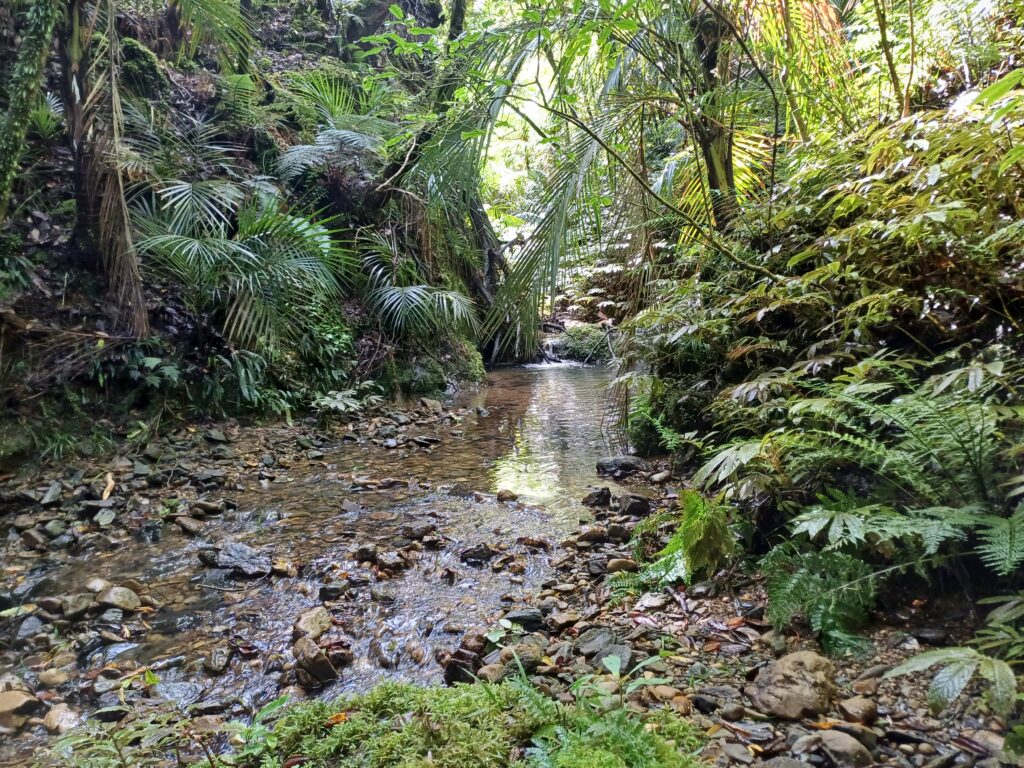
Although Steve has explored the wider Pukenui Forest for more than a decade, his trapping efforts over the last 18 months have been focused on Coronation Reserve.
“I enjoy the rugged natural aspect of the forest,” he says. “If my efforts can make even a small difference to forest health, then I’ve given something back to a forest that helped me gain my health back.”
Working alongside the Pukenui Forest Trust Rangers, Andy and Craig, and other volunteers, Steve has helped drive significant predator reduction throughout the reserve, and it appears the birds are responding.
Since he got involved, Steve has single handedly trapped more than 1,200 predators throughout the area, with around two-thirds being possums. The remainder includes rats, mice, stoats, weasels, and hedgehogs. This sustained effort has played an important role in improving habitat for native wildlife throughout Coronation Reserve.
Signs of success
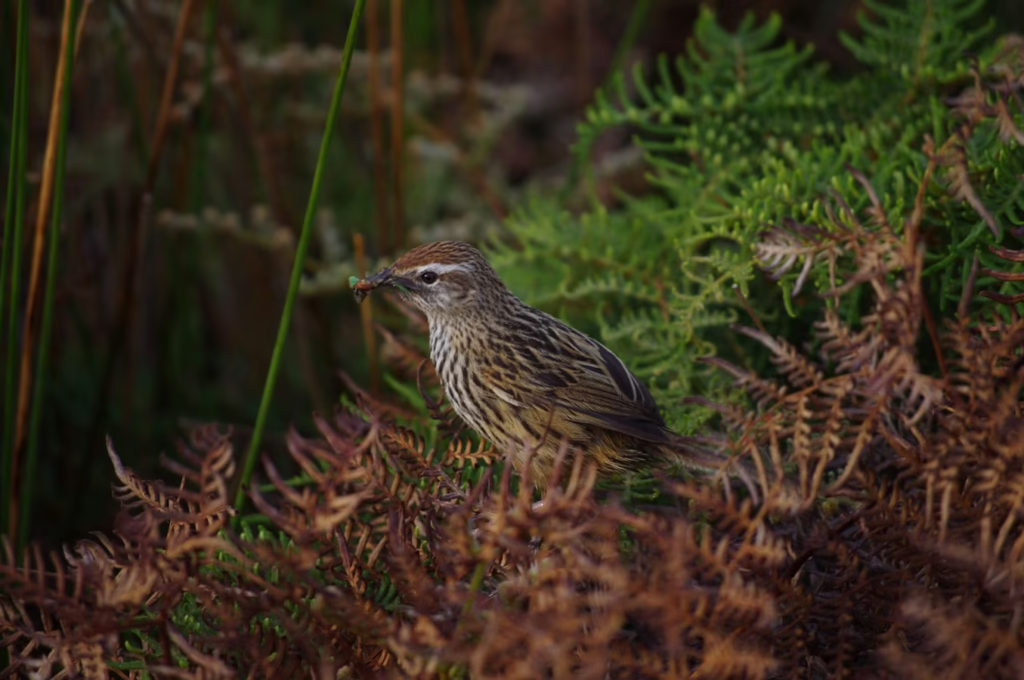
One of the most rewarding changes Steve has noticed is the increase in native birdlife.
“When I started, there appeared to be only a handful of tūī that I saw and heard regularly,” he says. “Now the tūī, along with other birdlife, appear to be much more abundant throughout the entire Reserve.”
These observations provide a powerful reminder that consistent predator control can make a real difference.
While Steve jokes that one memorable encounter involved being “attacked by a very brave little baby possum,” his greatest challenges have largely been managing health limitations while continuing to contribute to a cause he is passionate about.
Looking up: Innovation in the trees
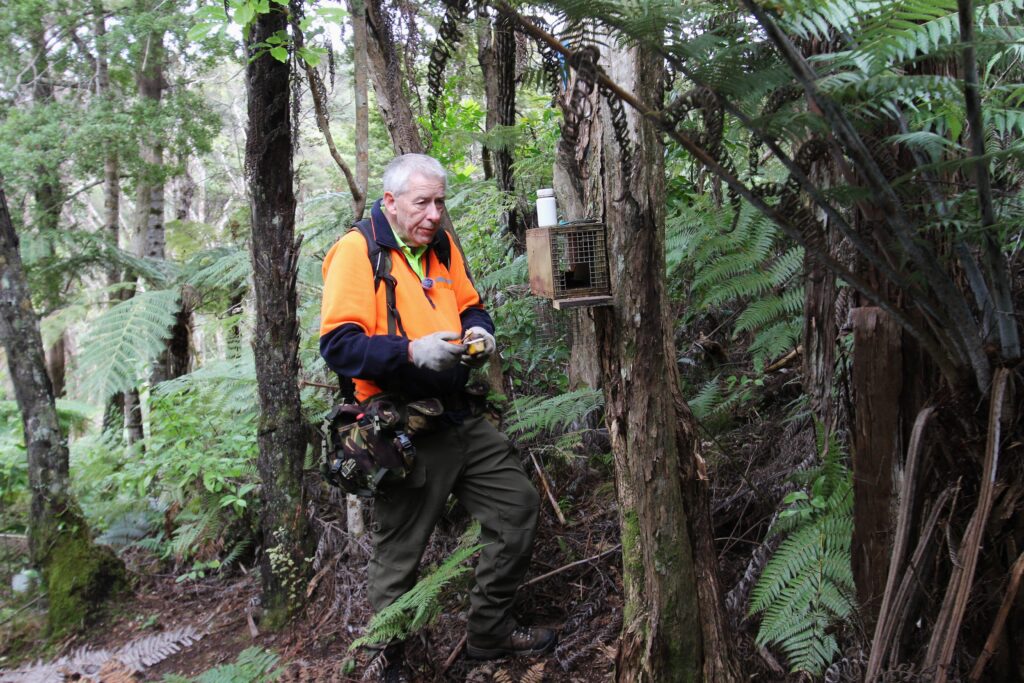
One of the most recent developments in Coronation Reserve has been the introduction of tree-mounted rat traps, an initiative led by Steve.
The idea came after researching rat behaviour and seeing similar traps used by Bay Bush Action. With support from Men’s Shed Whangārei, Steve modified existing ground-based traps so they could be installed safely in trees.
“Through trial and error, and working closely with Men’s Shed Whangārei, we developed a modification to ground-based traps that allowed us to install them in trees,” he explains.
The results have exceeded expectations.
Beginning with just 20 tree-mounted traps in February, the network has now grown to 120 traps. Together they have caught more than 230 rats, including 70 in May and 63 in June, and 76 in July alone.
“Rats are prolific breeders, but with this many tree traps, along with strategic toxin pulses, I believe we can reduce rat numbers significantly across Coronation Reserve.”
Among the Coronation Reserve trap lines, tree-mounted traps have consistently caught more rats than those set on the ground. Interestingly, they have also proven effective for mice, with 44 mice caught in the raised traps since the trial began.
According to Steve, this success would not have been possible without funding support from Northland Regional Council through the Tiakina Whangārei project.
“Tiakina Whangārei have supplied knowledge and resources, and they’ve been of massive support in helping us expand our trap network in the Coronation.”
Building a team
While catching predators is important, one of Steve’s proudest achievements is helping grow the volunteer network.
He has spent time training new volunteers and introducing them to trapping throughout the reserve.
“Seeing their enthusiasm for taking over new trap lines I’ve set up is a huge thrill to me,” he says. “Many people doing a little makes a big difference.”
It’s a philosophy that underpins his approach to conservation.
Steve is quick to reassure anyone who feels they lack the skills, experience, or time to help.
“Skills can be learned, and you can be involved with as little as half an hour a week. We will help and guide you.”
For those not able to commit to servicing a trap line, there are still simple ways to support native wildlife.
Steve encourages anyone wanting to help protect native species to start close to home. “Most people can contribute by putting a trap or two in their backyard,” he says. Tiakina Whangārei offers practical advice, resources, and support to help residents take that first step”.
A message for the community
After nearly two years spent walking, trapping, and helping others get involved, Steve’s message to the Whangārei community is simple:
“Controlling predators is a big task. No one person can do it alone. It takes the combined effort of a lot of people all doing a little to get an overall big result.”
The birdlife returning to Coronation Reserve shows what can be achieved when a community works together. For Steve, every trap checked, volunteer trained, and predator removed is another step towards a healthier forest.
And for a man whose own recovery began among the trees of Coronation Reserve, protecting that forest is the perfect way to give back.
Related Articles
Backyard Trapping • Community Groups • Kerikeri • Whangārei
How much time does it take to make a difference?