Introducing Tiakina Te Taitokerau
With the new year comes a refreshed kaupapa and exciting next steps for our mahi. Tiakina Whangārei is now part of the wider Tiakina Te Taitokerau programme. Our second urban project, Tiakina Kerikeri, has launched, with mahi to remove pests from the town already underway!
Tiakina Whangārei – From backyard beginnings to citywide action
Tiakina Whangārei began with a simple question: how could the Northland Regional Council deliver better value to the 100,000 urban ratepayers contributing to Northland’s targeted conservation rate? Urban communities were helping fund conservation work across the region, yet many of them rarely saw that investment reflected in their own neighbourhoods. Recognising this gap, the idea for Northland’s first urban pest control project took shape.
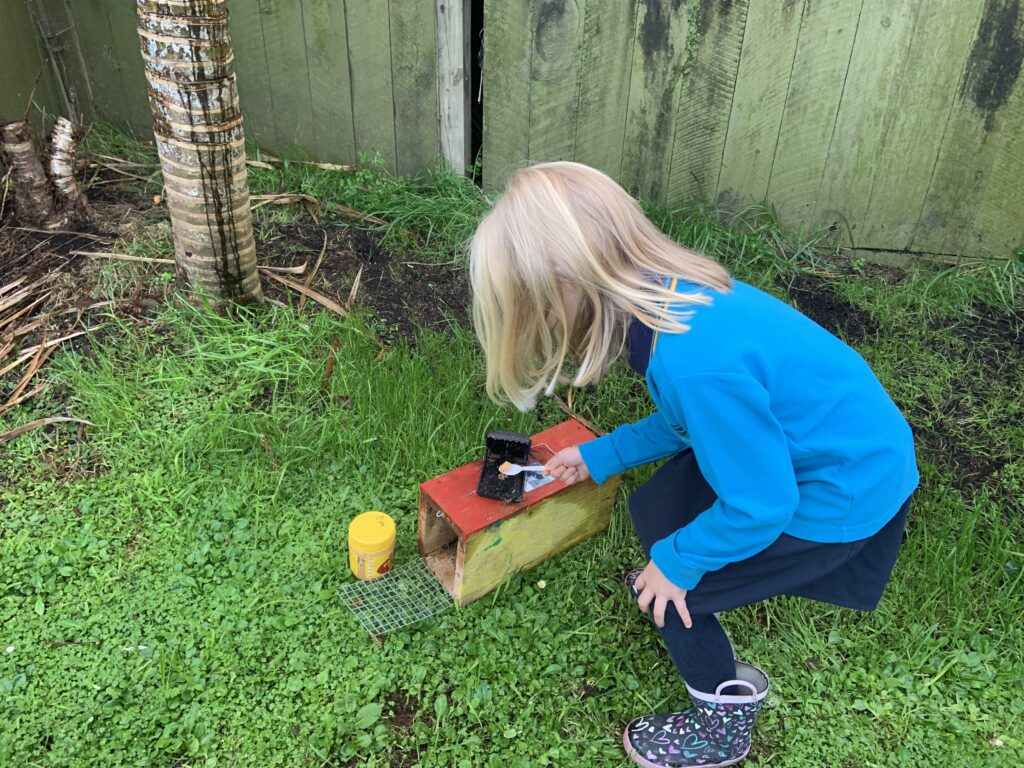
When the project launched in 2018, its focus was modest – supporting residents to trap rats in their own backyards. But the enthusiasm from the community quickly showed that the potential was much bigger. As more people got involved, Tiakina Whangārei expanded into parks, reserves, and shared green spaces, and its work grew to include invasive weeds and a wider range of animal pests such as possums and mustelids.
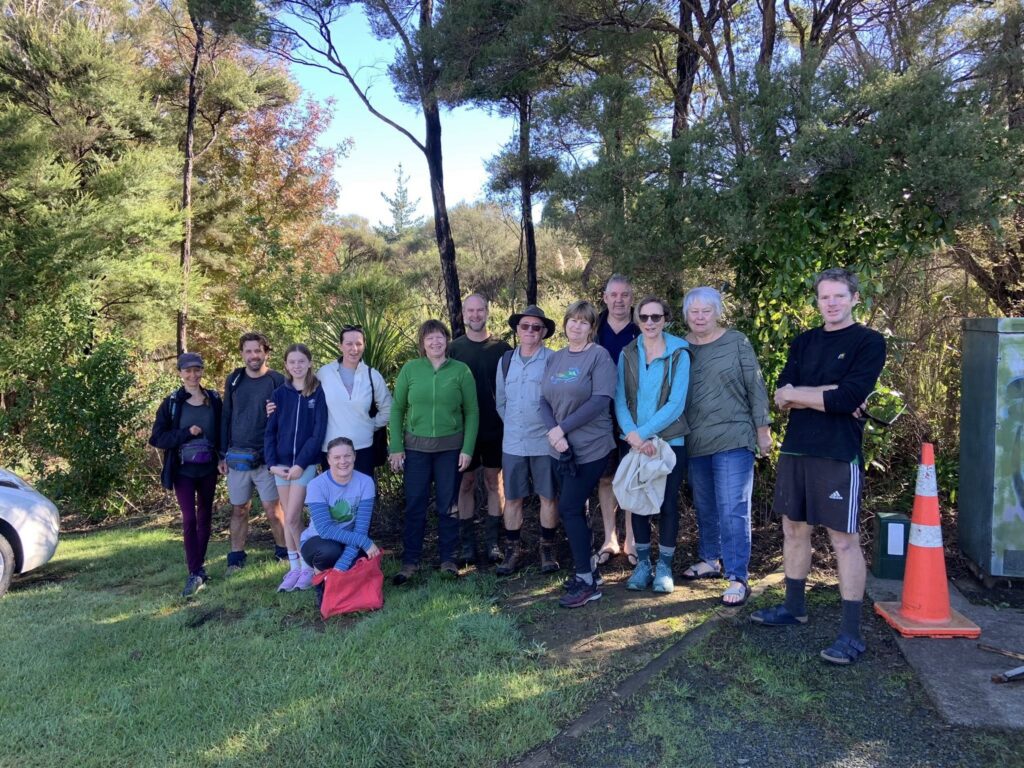
Today, Tiakina Whangārei is a broad network of volunteers, neighbours, and community groups all working toward the same goal: removing pests to help nature thrive. These combined efforts have already removed more than 12,000 pest animals from Whangārei’s urban landscape – a number that keeps climbing as more people choose to take part.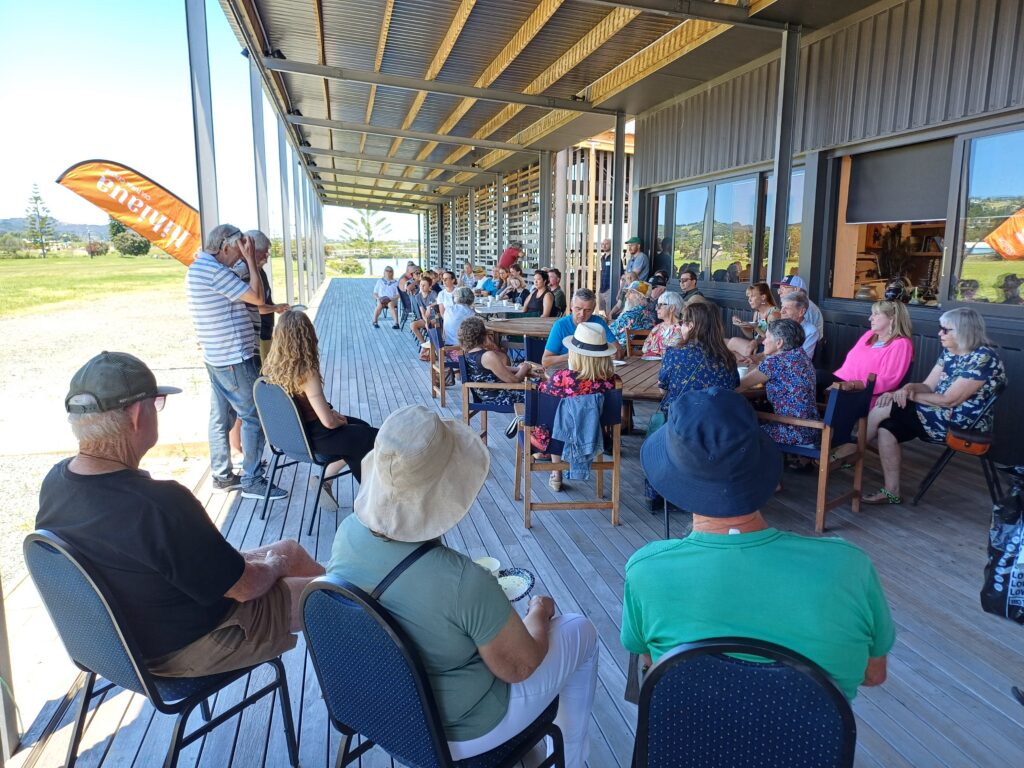
End-of-year Tiakina Whangārei Volunteer Luncheon, December 2025
Tiakina Kerikeri – Growing a community of pest-free champions
Following the success of Tiakina Whangārei, it was only a matter of time before other communities were inspired to do the same. Tiakina Kerikeri officially launched in late 2025, with project coordinator Emily Ross leading the work on the ground.
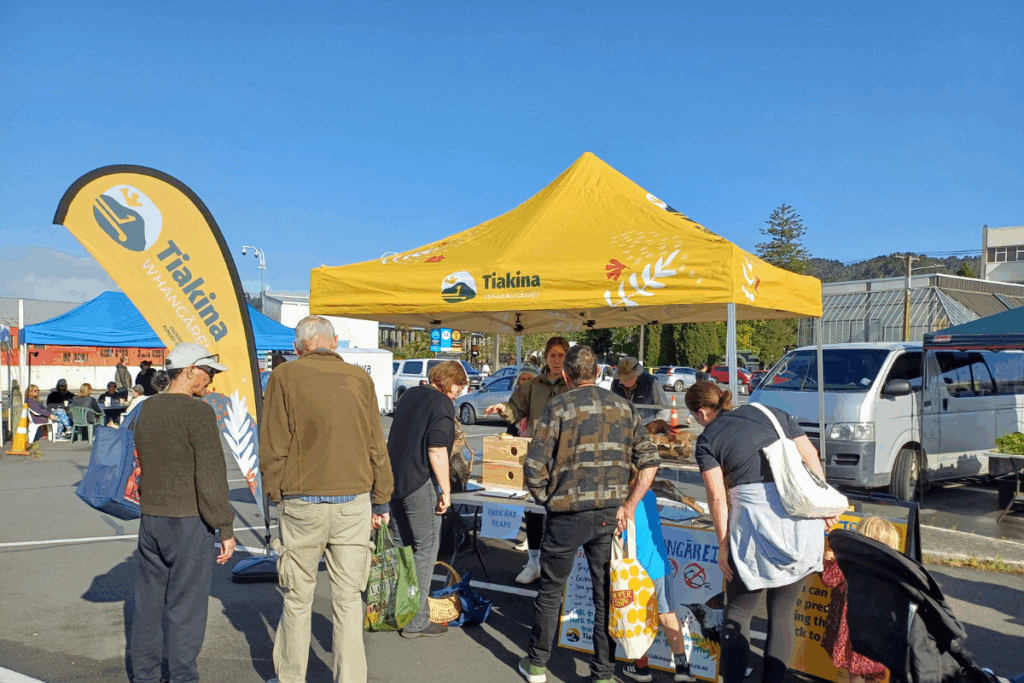
Since then, Emily has been steadily building connections with Kerikeri residents, helping raise awareness and encouraging people to get involved. Many locals will have seen her at the Packhouse Market during trap giveaway events, or at the monthly trap library sessions at the Proctor Library. These events offer a simple way for people to learn about the project, try out different trap types, and get practical in‑person advice on trapping and weed control.
A core part of the Tiakina Te Taitokerau approach is strengthening support for existing landcare groups, and Kerikeri has no shortage of dedicated volunteers who have been working for years to restore their local environment. Supporting and working with these groups is a central focus for Tiakina Kerikeri, helping align pest control efforts across the town while also building a strong sense of connection between the different groups and people involved.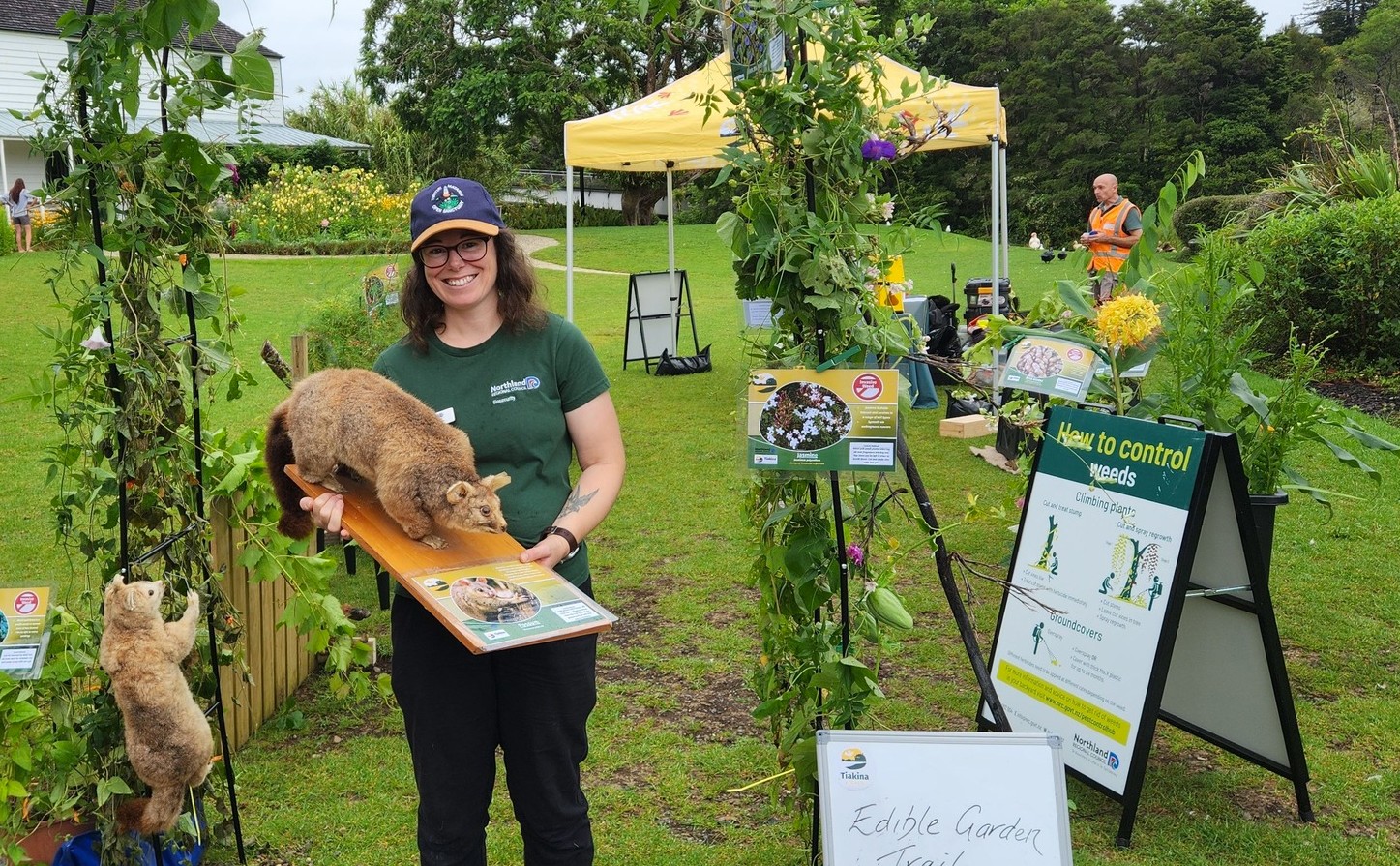
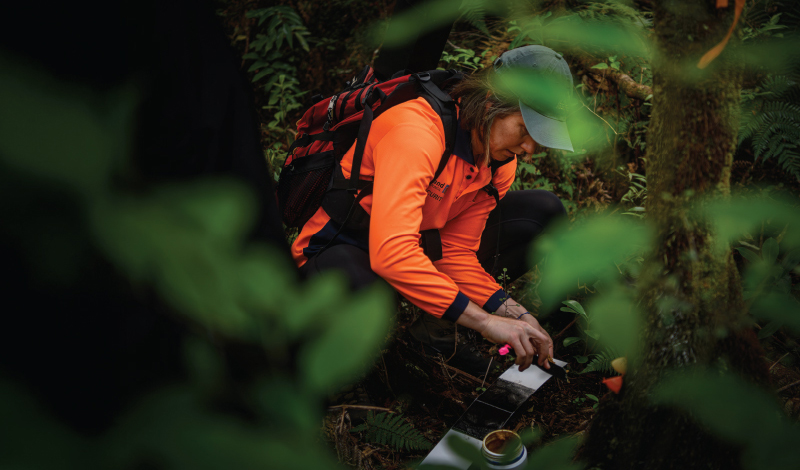
Emily Ross at the 2025 Kerikeri Garden Safari.
Building a Pest-Free Taitokerau
At the centre of both Tiakina Whangārei and Tiakina Kerikeri are the volunteers who make the work possible. People get involved in many different ways — by managing pests in their own backyards, joining an established group, or starting a neighbourhood group of their own. Every action, big or small, helps protect our native species and support their return to our urban environments.
For anyone with pest control goals of their own, or simply an interest in what Tiakina Te Taitokerau is doing, don’t hesitate to get in touch. The programme is built on community involvement, and new voices and ideas are always welcome.
Related Articles
Backyard Trapping • Community Groups • Kerikeri • Predator Free Kamo • Predator Free Onerahi • Remove Pest Plants • Whangārei
Competitions, trap libraries, and more!