Celebrating 10 years of Parihaka pest control!
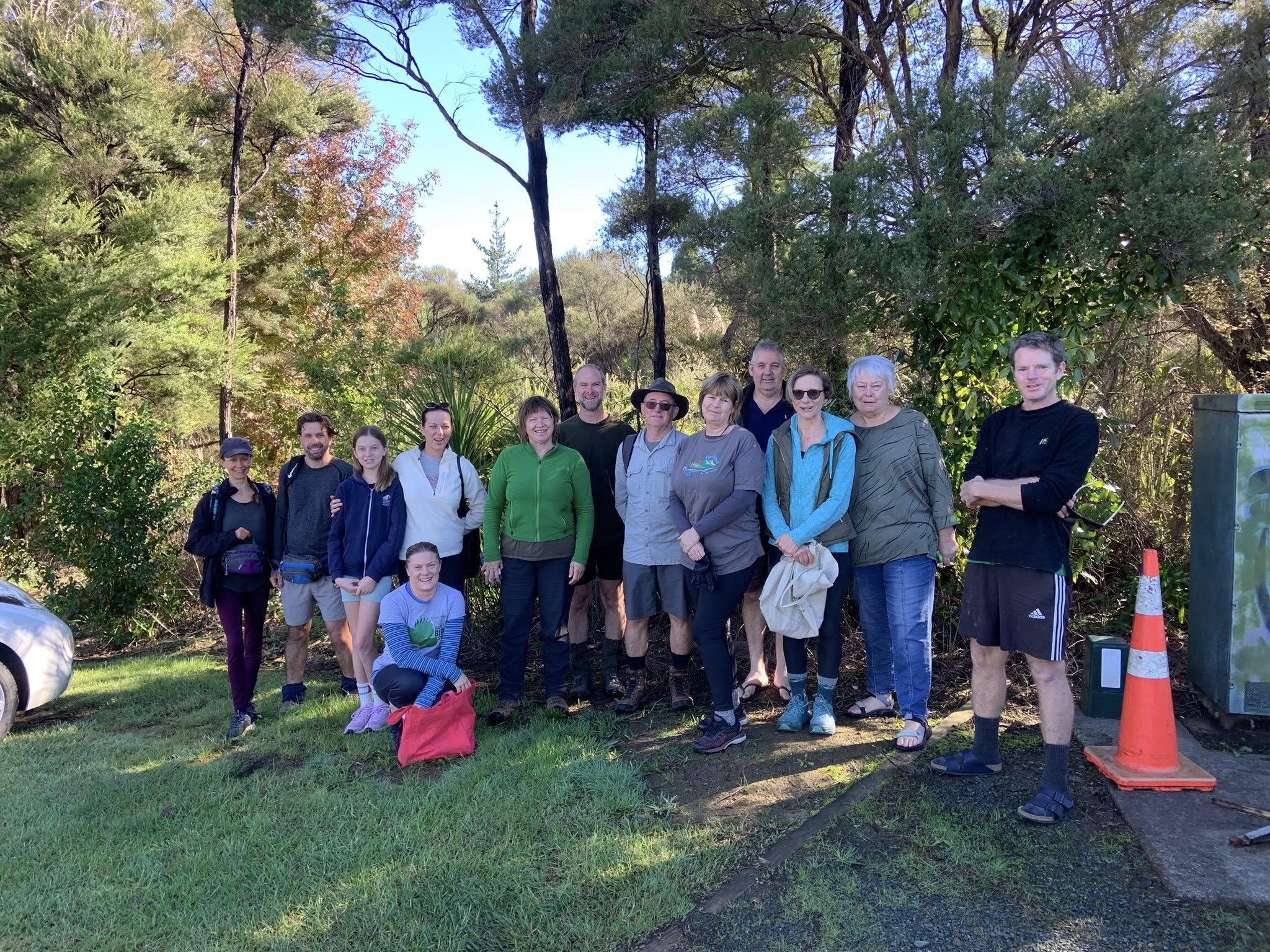
The new year marks ten years of community driven pest management within Whangārei’s iconic Parihaka Scenic Reserve, led by the Parihaka Community Landcare Group.
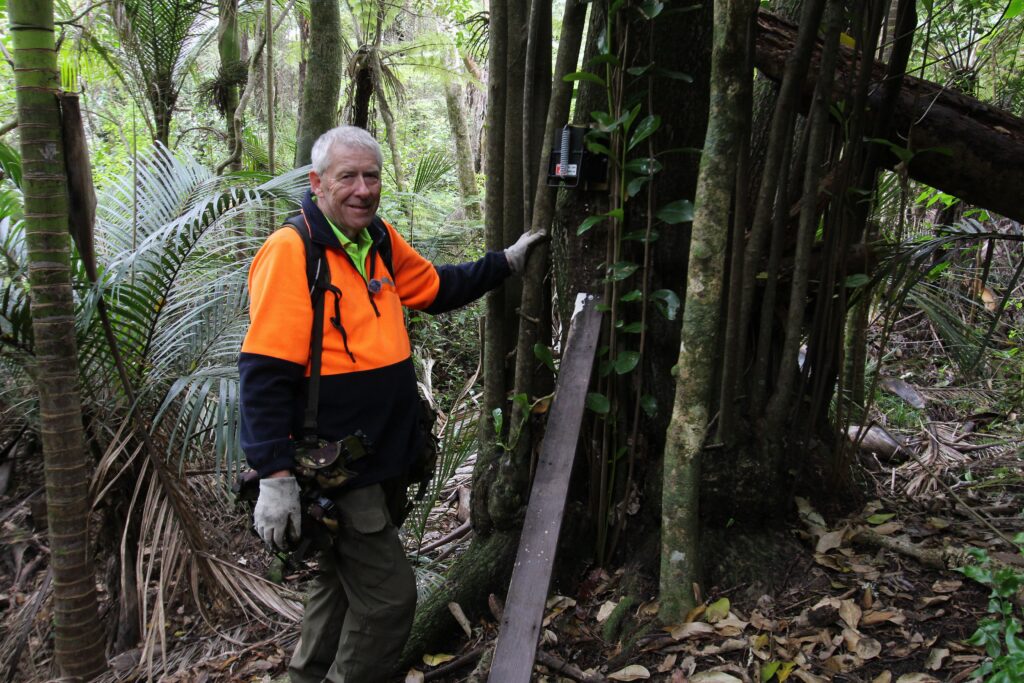
Started in 2016 by former Parihaka resident Dai Morgan and a dedicated group of locals, the project has grown from 40 hectares to more than 200 hectares of year‑round volunteer-led pest control.
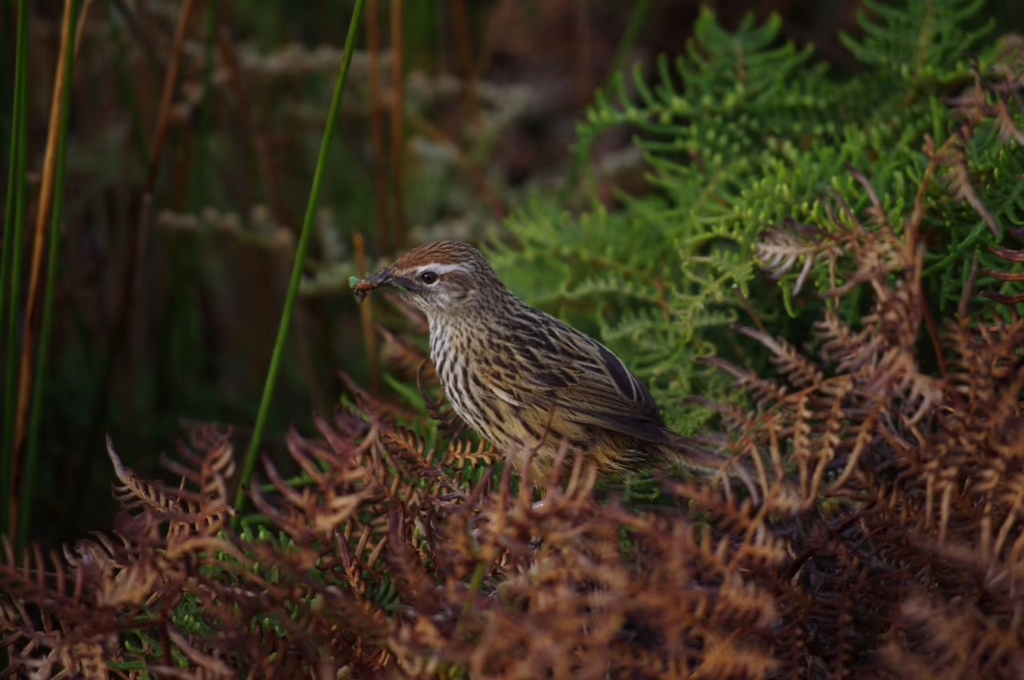
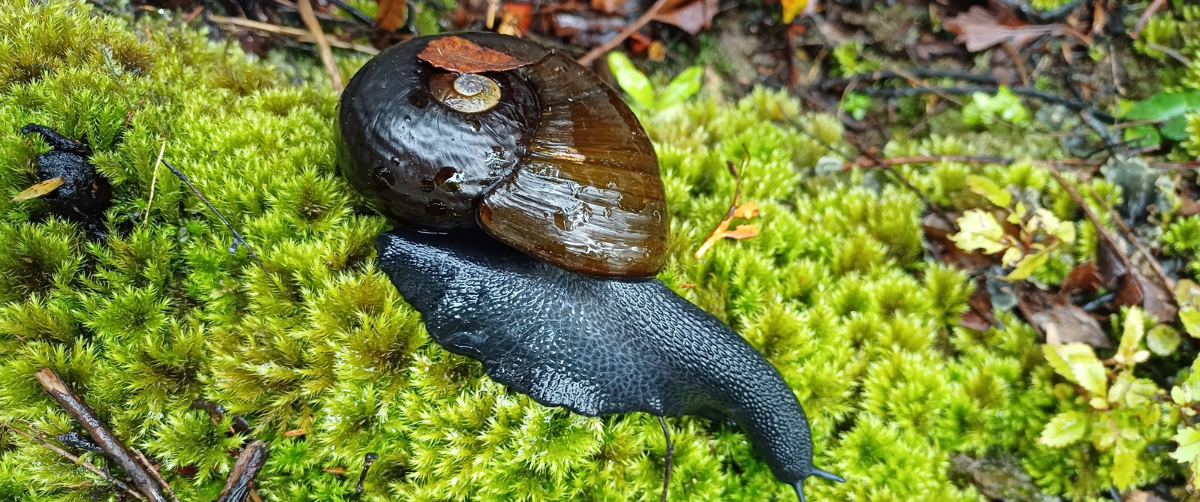
The removal of nearly 3,000 pests through trapping and many more from baiting operations has contributed to an exciting resurgence of native species. Endemic kauri snails (pūpūrangi) are now commonly encountered along traplines, and fernbirds (mātātā) and tomtits (miromiro) are regularly seen and heard across the reserve – at the start of the project seeing these species was relatively rare. This success reflects a steady decline in rat and possum numbers, thanks to dedicated volunteers who service traplines monthly and support biannual toxin operations in autumn and spring.
Volunteers have also been tackling invasive weeds in the Mackesy Bush for a number of years, helping curb the spread of species such as wild ginger and climbing asparagus.
The project was developed with the support from Ngāti Kahu o Torongare, the kaitiaki of Parihaka.
Ongoing funding from the WDC and technical support from NRC through the Tiakina Whangārei project have been vital to its longterm success.
The group has ambitious plans for continued biodiversity recovery. Dai explains:
“I’d like to see the entire reserve under rat, possum, and stoat control, and to build a strong buffer zone by getting neighbouring landowners trapping as well. We’ve supported several landowners to get started with traps and training, but there are still more to bring on board. Ultimately, I’d love to see bird populations grow to the point where they spill into the city and backyards. It would be incredible to reach a stage where we could reintroduce North Island robins (toutouwai) and whiteheads (pōpokotea), species locally extinct in Whangārei for more than 120 years.”
Volunteers say their involvement strengthens their connection to the environment, builds pest control skills, and provides them with a strong sense of purpose.
As the group looks ahead to its next decade, their success shows what committed locals can achieve. For those in Whangārei’s urban area keen to start a similar project, Tiakina Whangārei can offer support, advice, and equipment.
For Parihaka Community Landcare info, visit their Facebook page or email parihaka.whangarei@gmail.com
Related Articles
Backyard Trapping • Community Groups • Kerikeri • Whangārei
How much time does it take to make a difference?