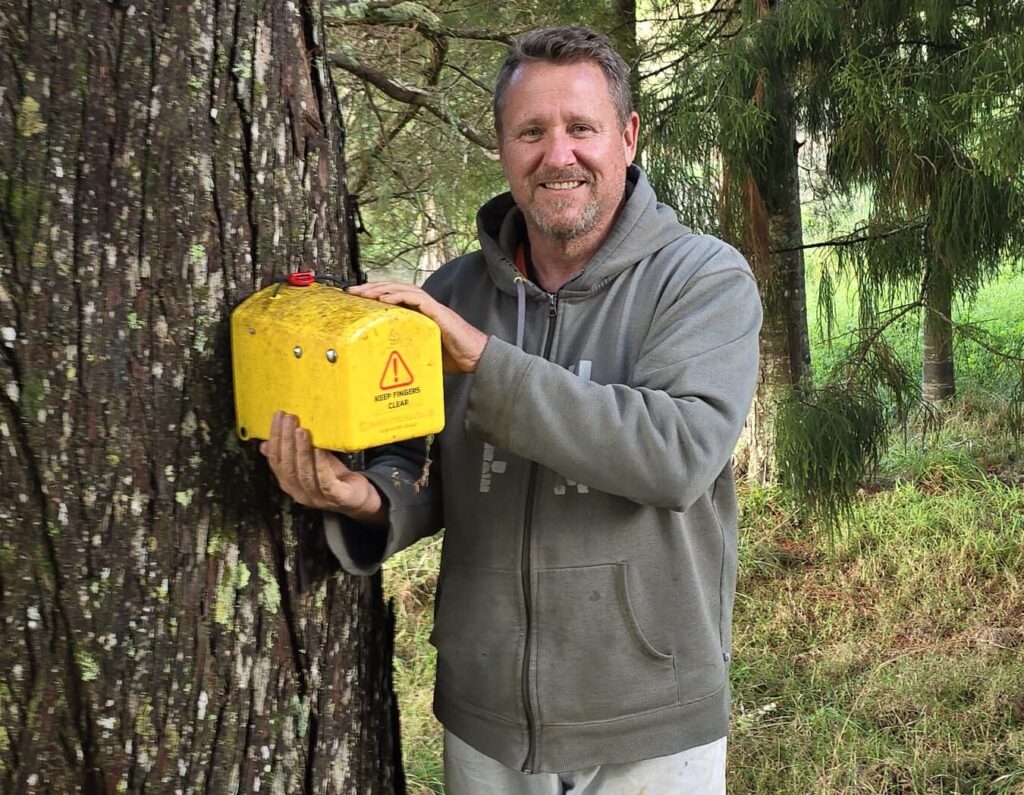

Parihaka predator control effort
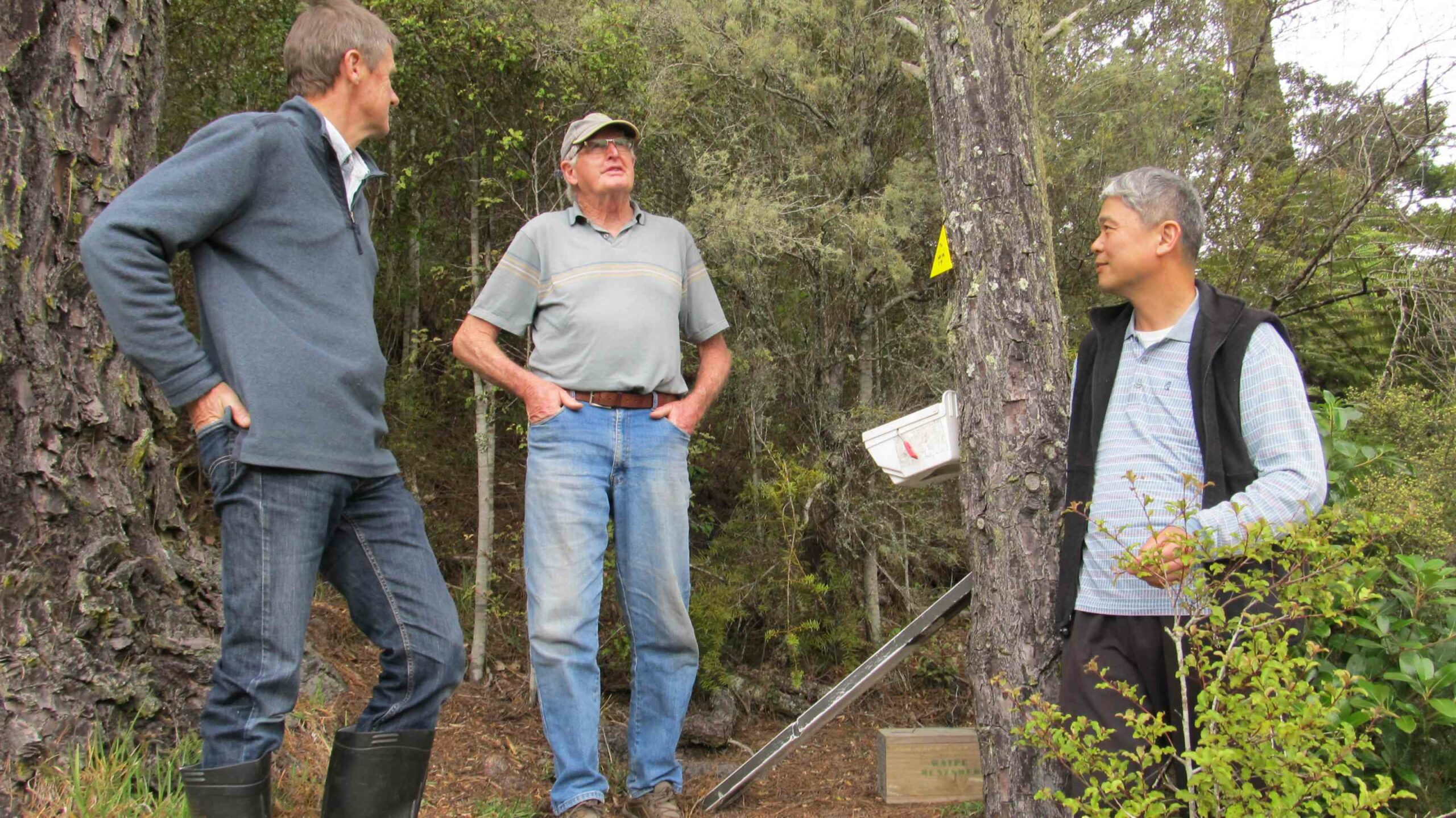
A dedicated team of residents in Parihaka have taken on the mantle of guardianship over their slice of paradise and native bush. John Ward and his neighbours have been maintaining a trapline that has become a beacon of hope for native species recovery. For over half a decade, this group of four has systematically trapped pests, making a noticeable difference in their backyard and beyond.
“The bush is looking much better,” says John. The decline in possum activity alone has allowed the local flora to flourish, transforming the landscape closer to its native state. With a combination of 40 rat traps, 20 possum traps, and a few stoat traps, the team has seen a drastic reduction in the pests that once roamed around their homes and the surrounding environment.
John’s story is not just about pest control, it’s a tale of community and collaboration. He highlights the importance of working together, sharing the workload, and keeping each other motivated. The success of their trapline has even sparked a desire to extend their efforts further – a continuous stretch of native bush, free from the predatory pressures of invasive species.
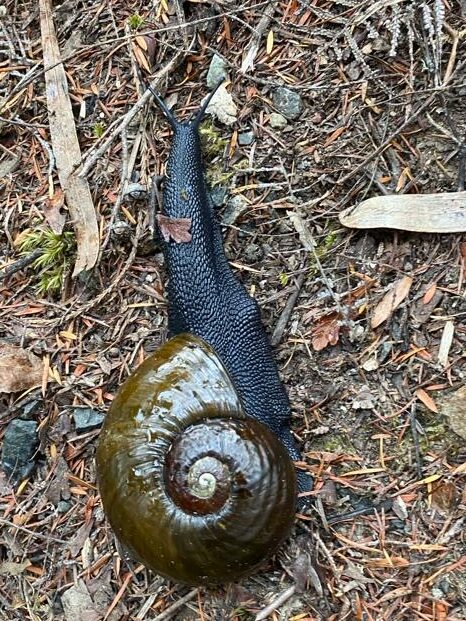
Their mission is clear: to help Whangārei become a predator-free city. John believes this goal is within reach, emphasising the need for community-wide participation and responsible pet ownership. His advice to those looking to start their trapping journey is to seek support from the friendly Tiakina Whangārei team.
This story of community action and environmental stewardship is an inspiring example for all of Whangārei. John and his neighbours prove that with collaboration, dedication, and a few traps, we can all contribute to a predator-free future, safeguarding our native species for generations to come.
For those in Whangārei inspired by John’s story and looking to contribute to the predator-free movement, the message is clear: every effort counts, and together, we can achieve remarkable results.
Related Articles

Kerikeri
We’re excited to introduce Tiakina Kerikeri!