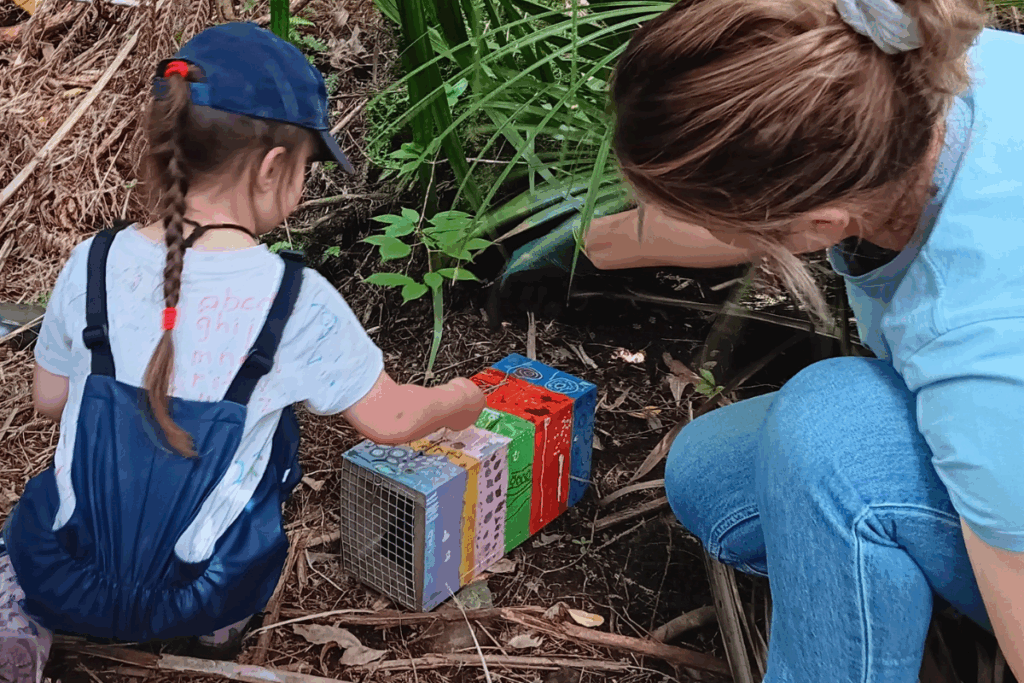

Make Your Own Tracking Tunnel
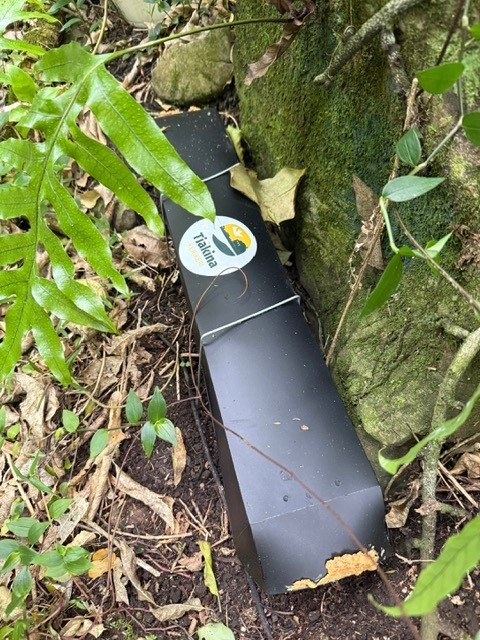
Help Discover Who Visits Your Backyard
Have you ever wondered what animals are moving through your garden at night?
Tracking tunnels are a simple and fun way to find out. They help community groups, conservation projects, and families identify animals such as rats, mice, hedgehogs, and other visitors by recording their footprints.
By taking part, you’re helping build a picture of biodiversity in our urban environment and supporting local conservation efforts.
What Is a Tracking Tunnel?
A tracking tunnel encourages animals to walk through a small tunnel to reach bait. As they cross an ink pad, they leave footprints on a tracking card, allowing us to identify what species have been visiting.
Scientists and conservation groups use tracking tunnels throughout Aotearoa New Zealand to monitor pest and native species.
What You’ll Need
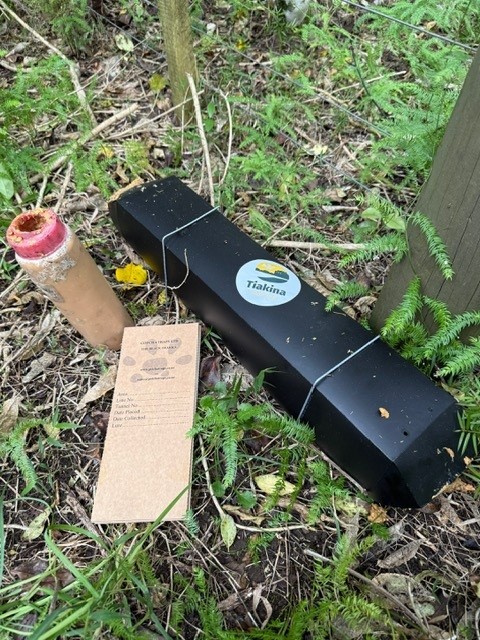
For the tunnel a Thin white card (A3 size or larger) or recycled corflute
For the ink pad you’ll need a tissue a piece of card the same width as your tunnel and 1 plastic lid (margarine or butter container lids work well)
For the ink mix 1 teaspoon food colouring and 2 teaspoons water
For the bait 1 teaspoon peanut butter
How To Use It
- Fold the card into a tunnel shape and staple it together.
- Place the ink-soaked tissue inside the plastic lid and then place the lid onto your card.
- Put a small amount of peanut butter at the ends of the tunnel.
- In the evening, place the tunnel on a flat, sheltered surface in your garden.
- Leave it overnight.
- Check the tracking card in the morning for footprints.

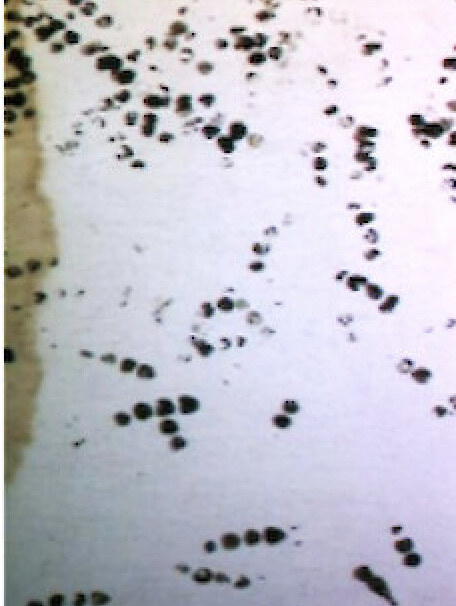
Reading the cards
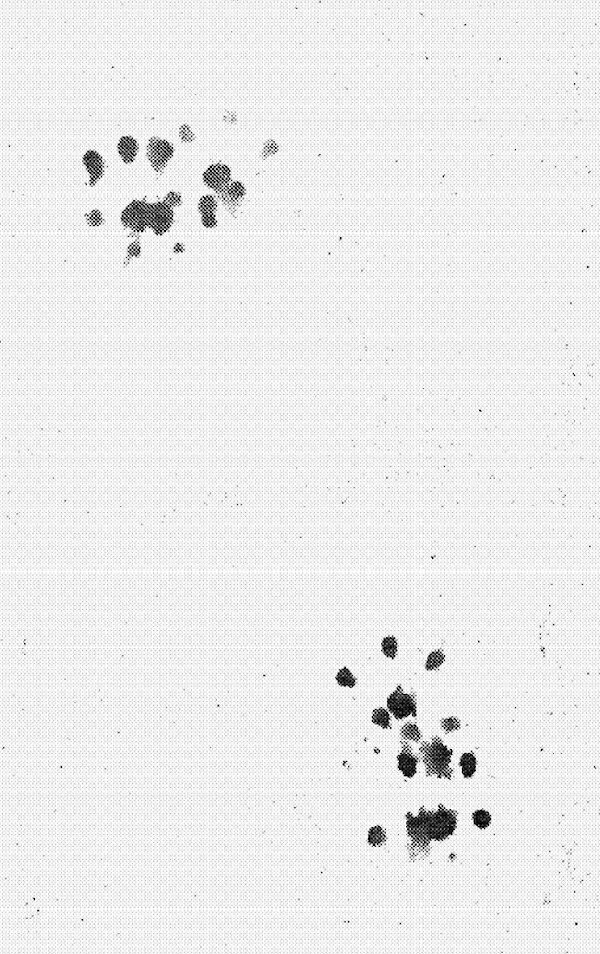
Rat footprints
Rat footprints are quite circular. Depending on the age of the animal, each print could be 1.5cm to 2.5cm across.
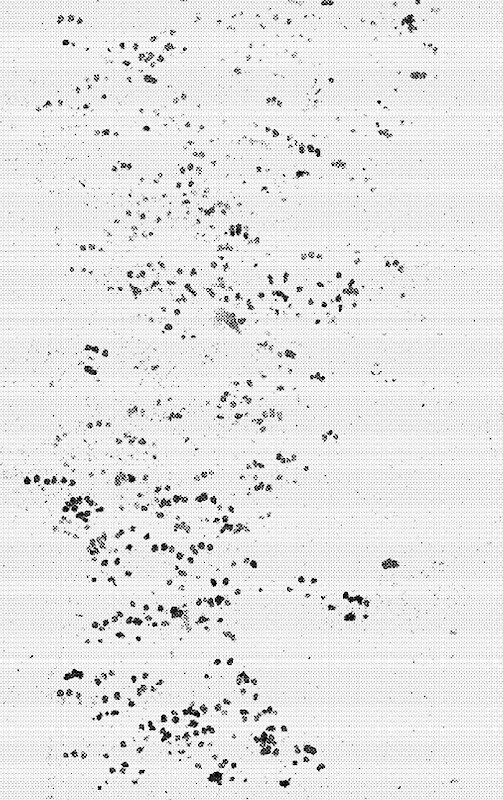
Mouse footprints
Mouse footprints are like rats’ but are much smaller. Even the prints of a young rat are twice the size of an adult mouse’s. Mouse prints can be tricky to spot when mixed in with many rat tracks. Look for repeating patterns. Sometimes mice only leave sets of three toe prints.
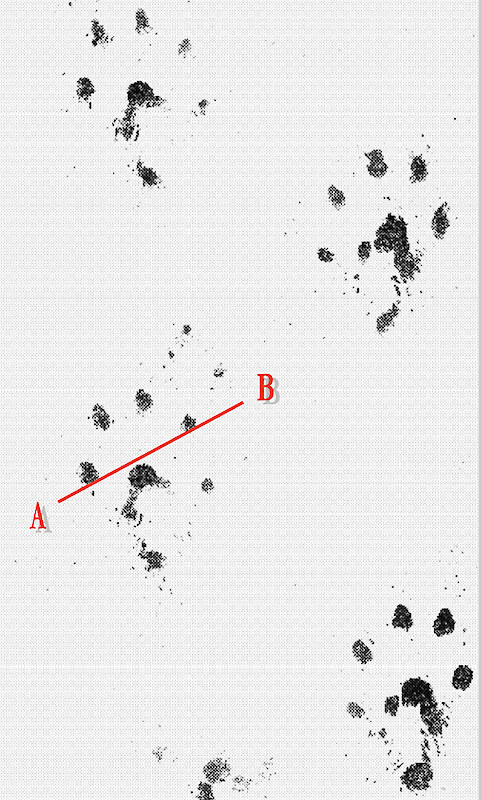
Stoat prints
The front footprints of a stoat are 2cm long and wide. Their rear feet are oblong, 4cm long and 2.5cm wide. Their prints often show small patches of fur.
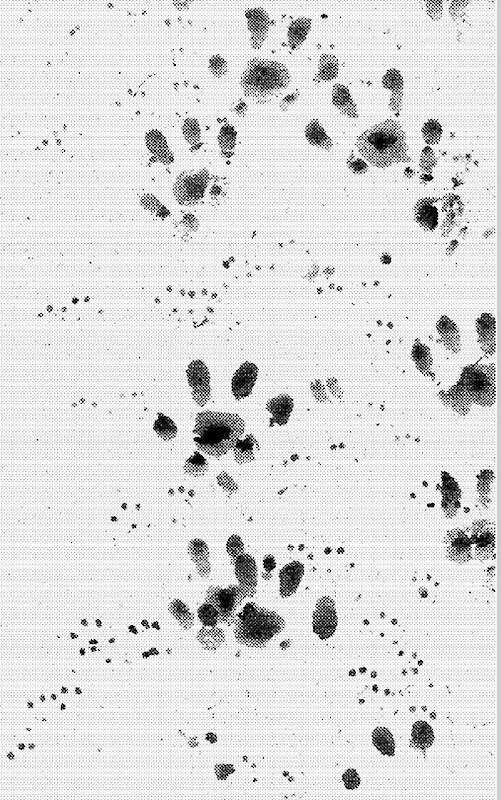
Hedgehog prints
Hedgehog footprints are quite circular. Big hedgehogs struggle to fit in tracking tunnels and leave messy prints. Their prints are around 2-3cm wide and 3-4cm long. Their belly fur might mark the paper. Unlike a stoat there’s no hair between their toe pads.
Skink prints
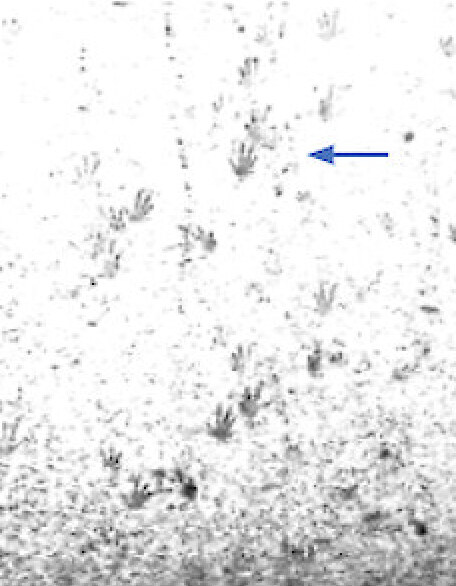
Skinks have thin, long and sometimes curved toes. They may drag their tail.
Gecko prints
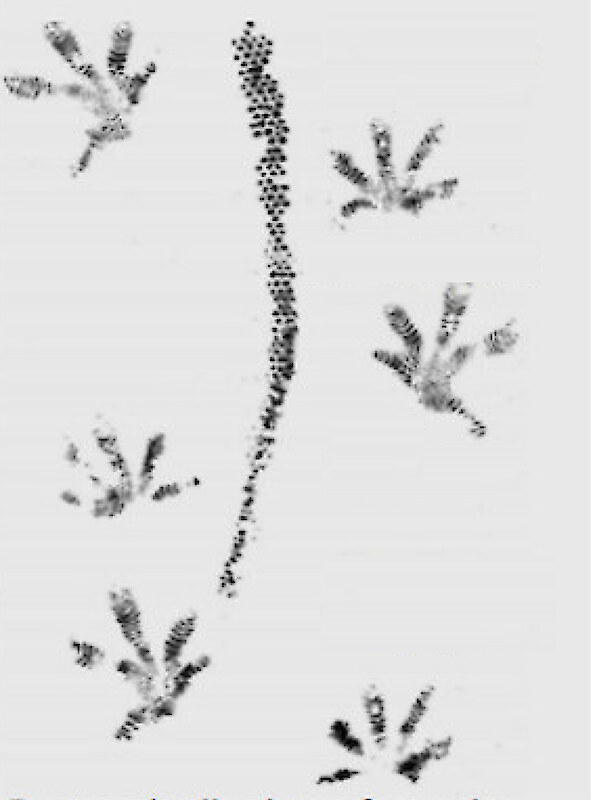
Geckoes have long, rounded toes with striped prints. They may also drag their tail.
Wētā prints