Start backyard trapping
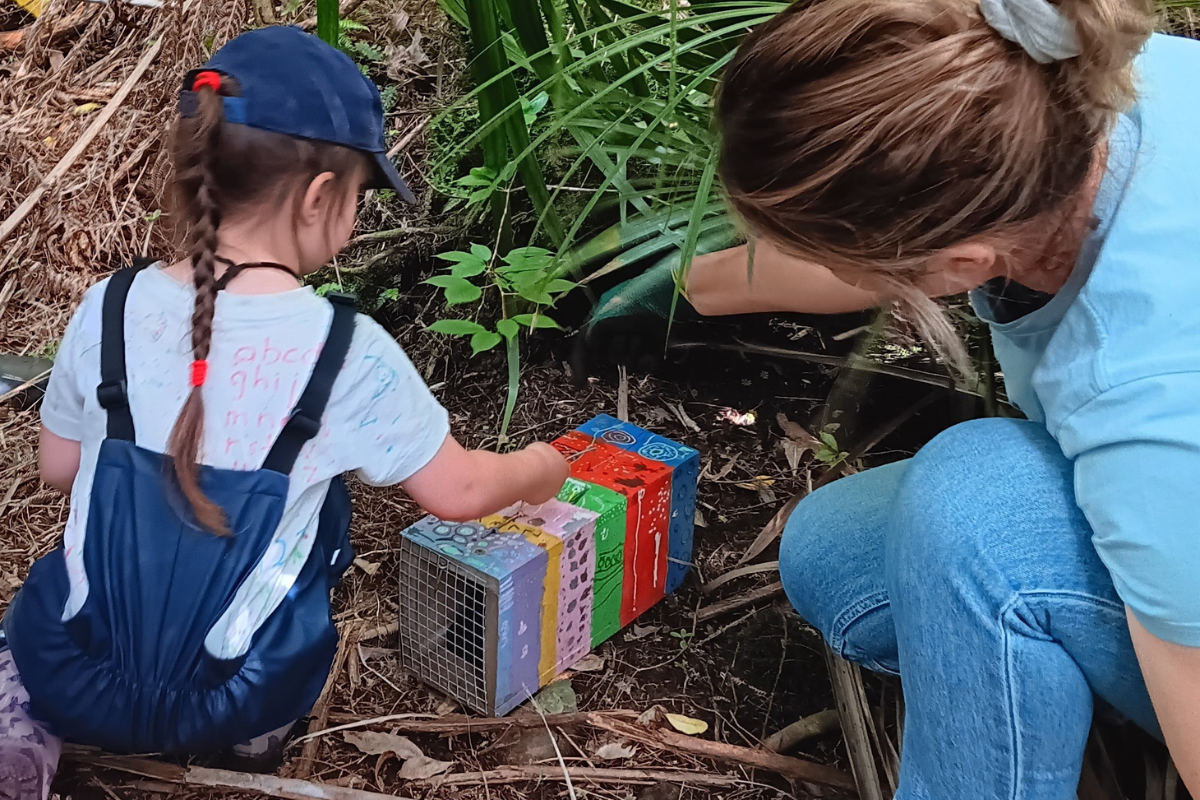
For one backyard trap set-up you will need:
- A rat trap
- A trap box
- Bait (see below)
Setting your rat trap
- Always wear gloves when handling traps and disposing of dead animals to protect yourself from disease and contamination.
- Choose the right location: Place your trap box on a flat, stable surface close to walls, fences, under vegetation, beside compost bins, or anywhere you’ve seen signs of rats (droppings, chew marks, food caches). Rodents prefer to stay near cover and rarely cross open areas like lawns.
- Bait the trap with your preferred lure (see suggestions below).
- Set the trap so the treadle plate and bait face the entrance of the box. Slide the trap into the back of the box, positioning it as far back as possible. This ensures a clean kill and helps prevent pets or birds from interfering.
- Check and re-bait weekly: Refresh the lure every week until the catch rate drops. Once activity decreases, you can check every 2–3 weeks. If rat numbers are high, more frequent checks may be needed.
- Maintain your trap: Keep trap box entrances clear of vegetation and remove built up debris such a snail shells and spiderwebs from inside the box. Oil moving parts of trap using a food back oil and clean with a small wire brush to keep parts moving.
Bait for Rat Traps
The “best” bait for rodents is often debated—and the truth is, it can vary! If one bait isn’t working, don’t be afraid to switch things up.
- Peanut Butter – The Classic
A long-time favorite, peanut butter is reliable and widely used. Just keep an eye on it—it can go mouldy, so regular refreshing is key. - Other Effective Options
According to trap.nz data, a variety of baits have proven successful, including:- Cheese
- Chocolate buttons
- Nutella
- Nuts
- Mayonnaise
- Whole eggs
- Mutton fat
- Jam
- Fresh pumpkin seeds
You can even use peanut butter as a “glue” to stick items like seeds or nuts to the trap plate.
Offer a ‘taster’
Rodents are naturally cautious and tend to avoid unfamiliar objects—a behavior known as neophobia. Placing a small amount of bait at the entrance of the trap box helps build their confidence, encouraging them to venture further inside… until SNAP!
Why use a trap box?
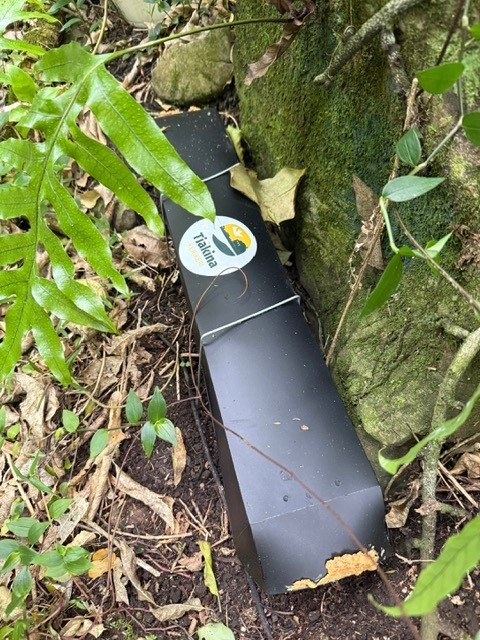
Trap boxes shield your traps from weather, helping them last longer. They also boost trapping success by guiding rodents to approach from the front, and reduce the chance of accidentally catching non-target animals like birds or pets.
Trap maintenance tips
- Keep entrances clear: Regularly remove vegetation, leaves, and other obstructions from around the trap box entrance to ensure easy access for rodents.
- Clean out debris: Check inside the box for buildup like snail shells, spiderwebs, and dirt. Clear these out to keep the trap functioning properly.
- Lubricate and clean moving parts: Use a food-based oil like peanut or olive oil to lubricate all moving parts of the trap. Remove rust and built-up grime with a small wire brush or steel wool pad to keep everything moving smoothly.
Get underway with a trapping starter kit
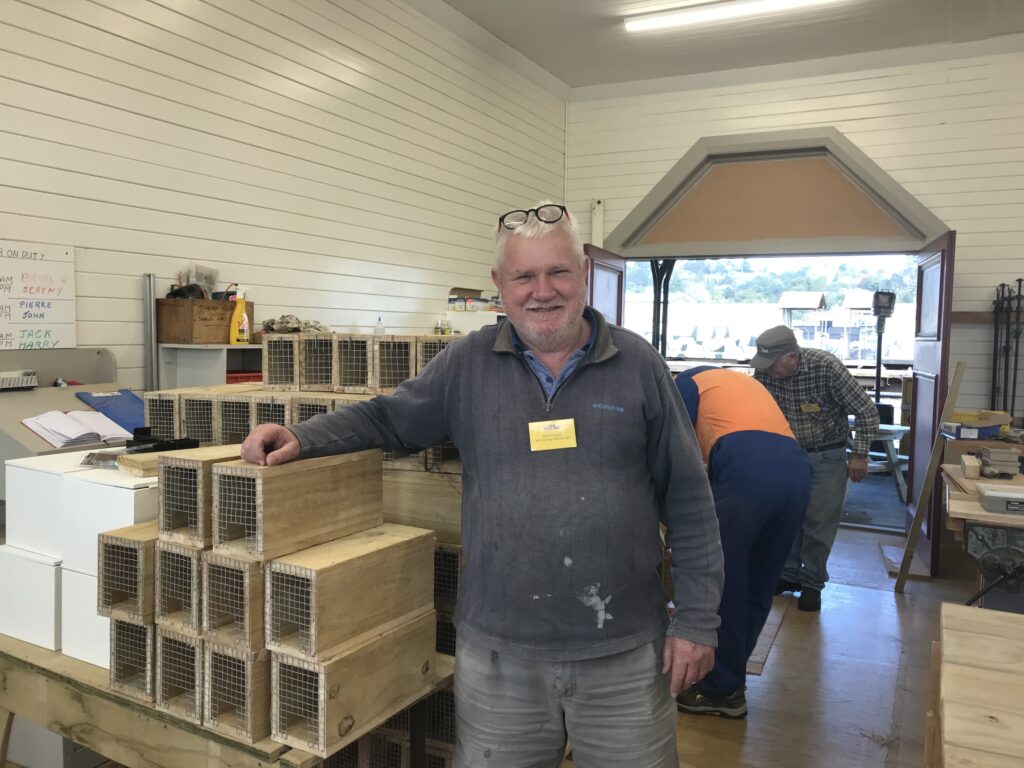
Tiakina Te Taitokerau offers subsidised rat trap starter kits to urban communities in Whangārei and Kerikeri. Each kit includes a trap and a protective box — all for just $10, making it easy and affordable to get started with backyard trapping.
- Locally made by Whangārei Mens Shed
- Limit of 2 per household
- Purchase from the Whangārei Mens Shed, Old Railway Station, Railway Rd – Wednesdays and Thursdays, 9:30am–3pm (cash only).
Tiakina Te Taitokerau runs a small trap library based out of the Northland Regional Council building, 36 Water Street, Whangārei. We offer a selection of possum and mustelid traps that community members can borrow to deal with one-off pest problems.
If you’re having issues with a pest animal and need a temporary trap, we’re here to help. Register your interest below to enquire about borrowing a trap.
Register your interest