Long-tailed pekapeka: From Pukenui Forest to your backyard
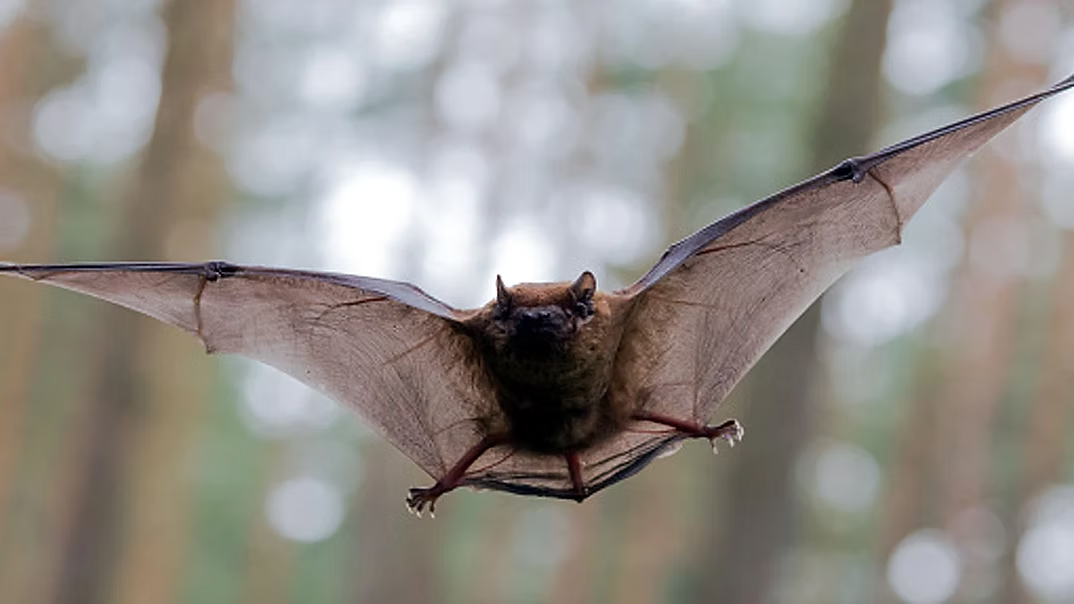
Many people are surprised to learn that one of New Zealand's only native land mammals lives right here in Whangārei. The long-tailed pekapeka (bat) is known to inhabit the Pukenui Forest, making it one of the few urban-adjacent areas in the country where these remarkable animals can still be found.
Weighing little more than a New Zealand two-dollar coin, long-tailed pekapeka may be small, but they are extraordinary fliers. Emerging at dusk, they travel through the forest and surrounding neighbourhoods in search of insects, often covering several kilometres in a night. A single colony can have a home range of more than 100 hectares, meaning pekapeka regularly move well beyond Pukenui Forest to feed and roost. While the presence of long-tailed pekapeka highlights the ecological value of Pukenui Forest and the surrounding landscape, a truly thriving pekapeka population would be an even stronger indicator of a healthy ecosystem. Through pest control, habitat restoration, and monitoring, the Pukenui Forest Trust is working towards that goal, but because long-tailed pekapeka range so widely, support from the wider community is also essential to help them thrive across Whangārei.
Conservation in action
Long-tailed pekapeka rely on mature trees, both native and exotic, for roosting and need healthy habitat to survive. While they are strongly associated with forested environments, long-tailed pekapeka have also been observed roosting in individual trees outside of forest habitats. Pest control, restoration, and monitoring work carried out by the Pukenui Forest Charitable Trust and its volunteers are helping to create a safer environment for pekapeka, alongside the many native birds, reptiles and invertebrates that share the forest. By improving habitat quality and reducing predator pressure, the Trust is working towards a future where pekapeka populations can thrive, both within Pukenui Forest and across the wider Whangārei landscape.
Pukenui Forest Trust member and hapū kaumātua Winiwini Kingi says the long-term health of the forest remains the group’s primary focus.
“Our mahi in Pukenui Forest has centred on pest control, trapping, weed management, and ecological monitoring to support the overall wellbeing of the ngahere. Alongside this work, we have been involved in monitoring pekapeka through acoustic surveys and capture operations, helping us build a better understanding of their presence both within the forest and across the surrounding landscape. At the same time, we’re beginning to raise awareness around the importance of protecting this taonga species.”
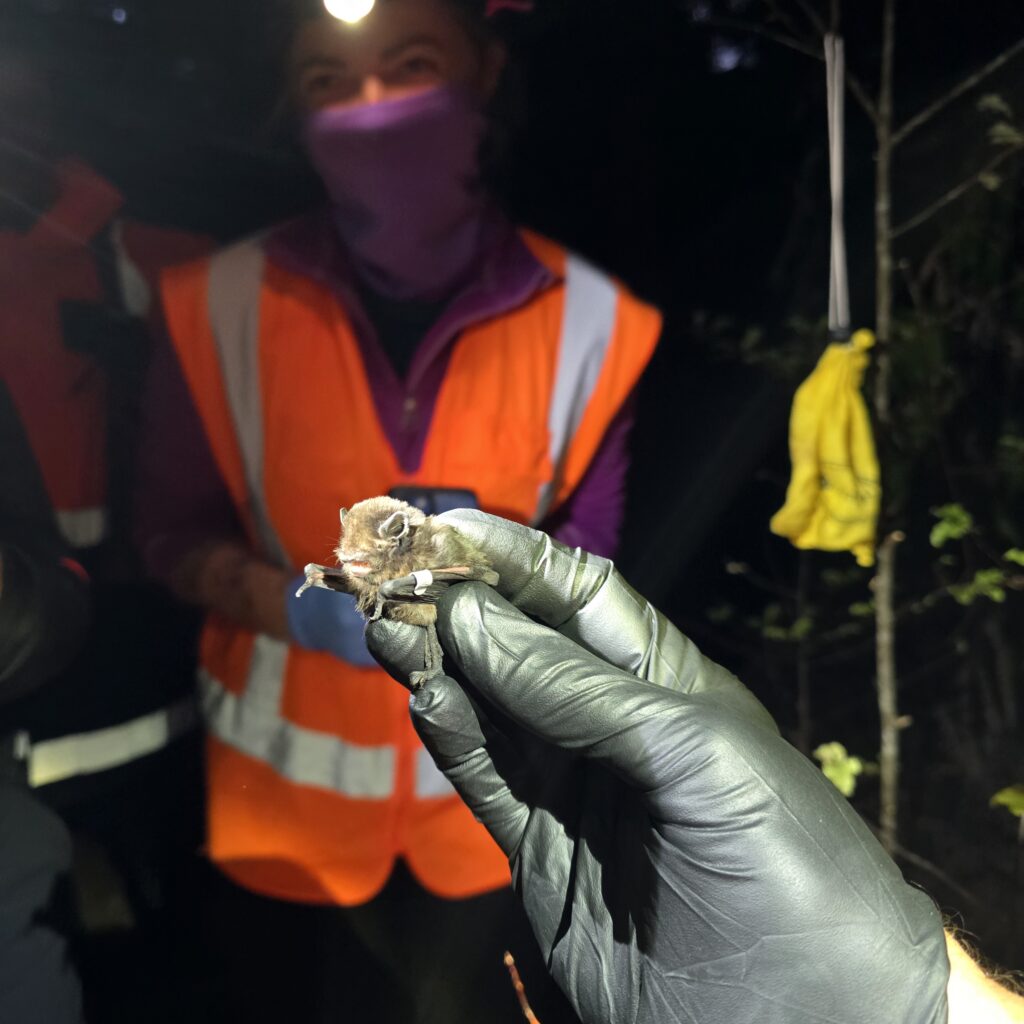
In January 2025, field work in support of Northland Regional Council’s pekapeka / bat programme resulted in the first capture and ‘up close’ examination of a live pekapeka in Pukenui Forest. Acoustic lures were used to attract pekapeka towards specially designed harp traps, resulting in the successful capture of two male pekapeka. One was fitted with a transmitter before being released, helping researchers build a better understanding of how pekapeka use the forest and surrounding landscape.
Beyond the forest
While Pukenui Forest provides important habitat, long-tailed pekapeka are not confined to the forest itself. They also make use of the surrounding landscape, including urban stream corridors, parks, fragments of native vegetation, and residential neighbourhoods. This network of green spaces helps pekapeka to move throughout the city as they travel between feeding and roosting sites.
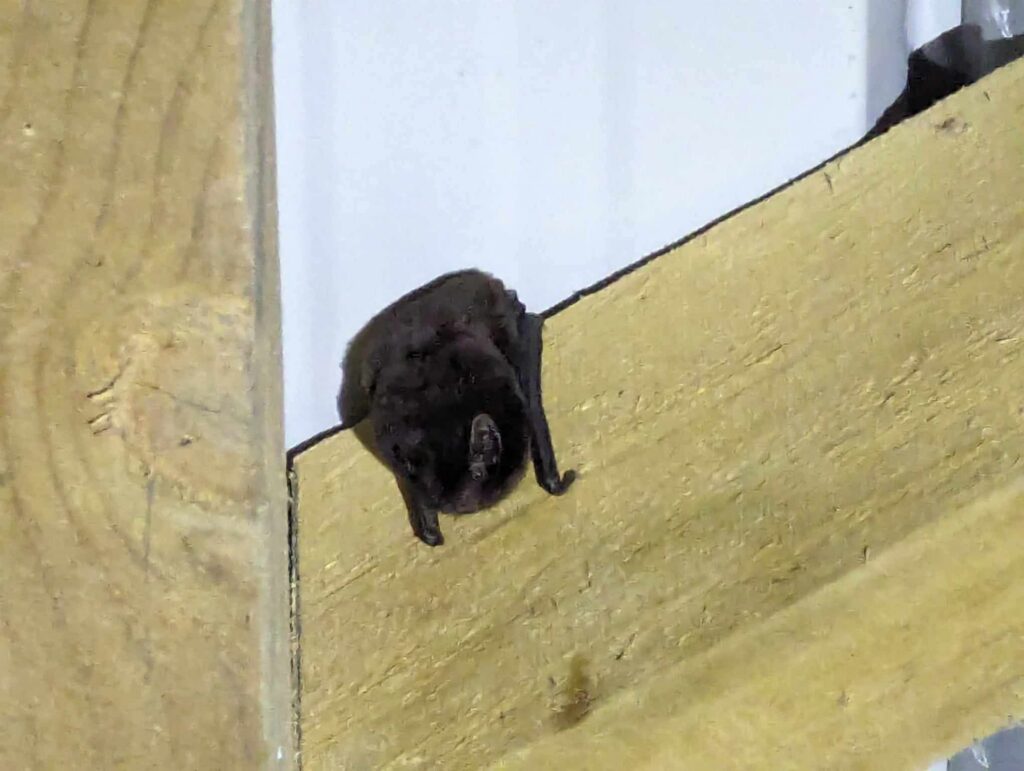
Some local residents have been fortunate enough to encounter them. Sightings have been reported from Raumanga, while long-tailed pekapeka have been recorded in several locations throughout urban Maunu. Pekapeka have also been observed roosting in the rafters of a barn near Maunu for several years, and one resident even captured footage of a pekapeka flying around their home off Stonelea Way. These observations are a wonderful reminder that native wildlife continues to exist alongside our urban communities and that some of New Zealand’s rarest mammals may be living much closer than we realise.
How you can help
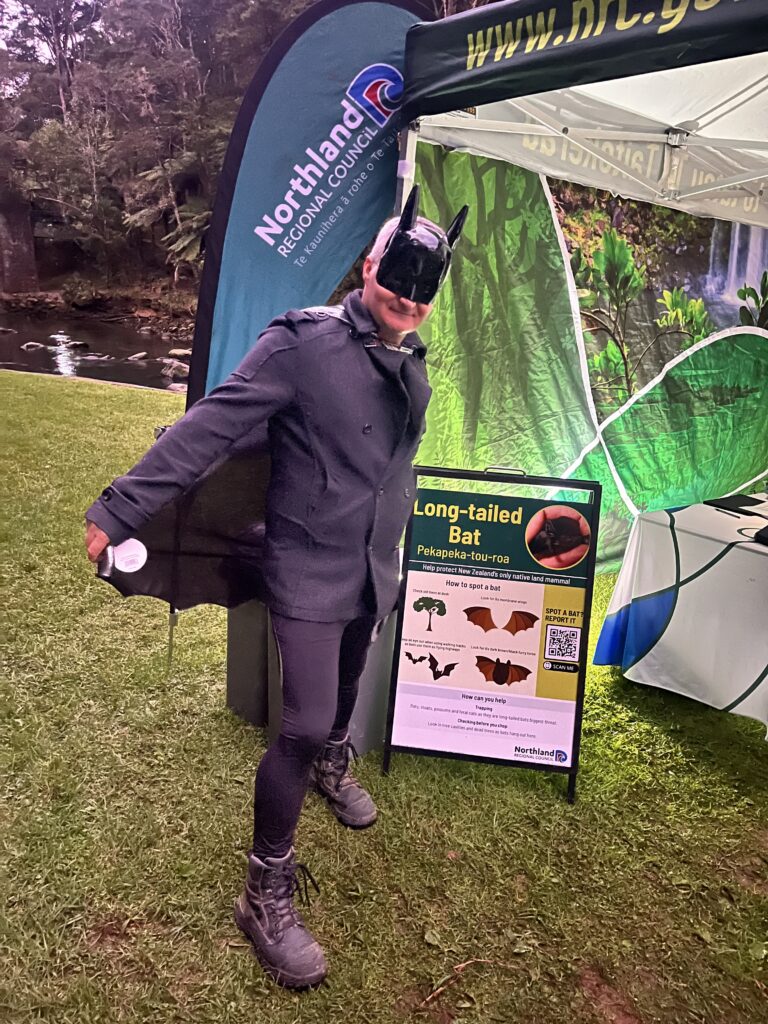
The Pukenui Forest Trust has recently begun visiting local schools to share the story of long-tailed pekapeka in Whangārei, occasionally with the help of a local Batman to capture the imagination of students. A key message of these visits is that everyone can play a role in protecting pekapeka.
Simple actions such as retaining mature trees, reducing unnecessary outdoor lighting, trapping rodents and possums, and keeping cats indoors after dark can all help create a safer environment for pekapeka. The Trust also plans to survey more urban areas across Whangārei to better understand where pekapeka are living and how they move through the city.
You can also help to improve understanding of pekapeka populations in and around Whangārei by reporting any encounters through the Northland Regional Council Bat Encounter Form. Public sightings provide valuable information about where pekapeka are living and moving throughout Whangārei.
The Pukenui Forest Charitable Trust also welcomes volunteers interested in helping with pest control, weed management, community education and more. Every volunteer contribution can help protect pekapeka and the habitats they depend on.
Above the treetops and beyond
The next time you’re walking through Pukenui Forest, relaxing in your backyard, or enjoying one of Whangārei’s urban stream corridors, take a moment to imagine what happens after dark. As the morepork begins to call and the landscape settles into the night, one of New Zealand’s rarest native mammals may be silently weaving its way overhead.
The presence of long-tailed pekapeka highlights the ecological value of Pukenui Forest and the surrounding landscape. These threatened native mammals rely on mature trees for roosting and healthy habitats for feeding and breeding. While their continued presence reflects the value of the habitat that remains today, ongoing pest control, restoration, and monitoring work undertaken by the Pukenui Forest Charitable Trust and its volunteers aims to ensure pekapeka not only persist in Whangārei, but have the opportunity to recover and thrive into the future.
Related Articles
Backyard Trapping • Community Groups • Predator Free Onerahi • Whangārei
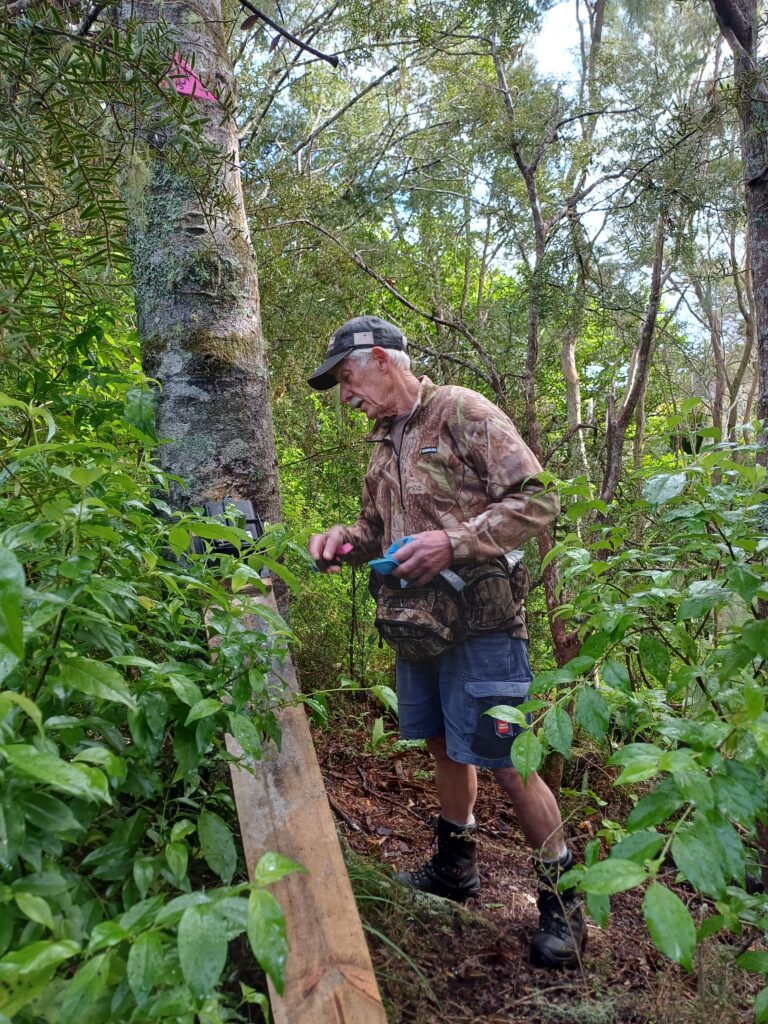
From track walker to trapping champion!